
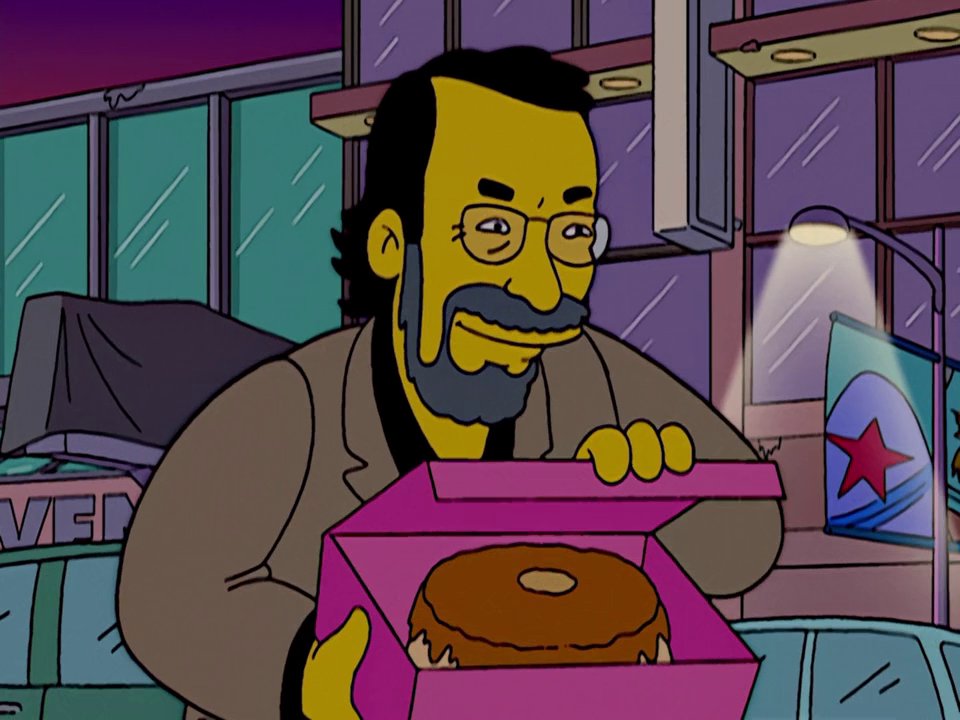
Producer, writer and director James L. Brooks is a rare case of someone who has achieved huge success on both television and film. How many other people have created a popular television show that won the Emmy for Outstanding Comedy Series and a popular movie that won the Oscar for Best Picture?
Born in New York City in 1940 and raised in New Jersey, James L. Brooks grew up with an absent father and a working mother, spending many hours alone just trying to survive what he described as a broken home. He gravitated towards writing and the genre of comedy in particular, even receiving positive responses from the publishers he sent his writing to, although nothing ever got published. As both a writer and a comedy fan, Brooks was influenced by authors like Mark Twain and F. Scott Fitzgerald and comedians like Sid Caesar, Jack Benny and Lenny Bruce.
One day Brooks’ sister Diane, who was friends with a secretary at CBS, used her connections to get Brooks a job at the network where he served as a host and a fill-in copywriter, but he was given the copywriter job permanently when the person he was filling in for never returned! Soon Brooks worked as a broadcast news writer for CBS, covering such events as the assassination of John F. Kennedy, and later he wrote for documentaries.
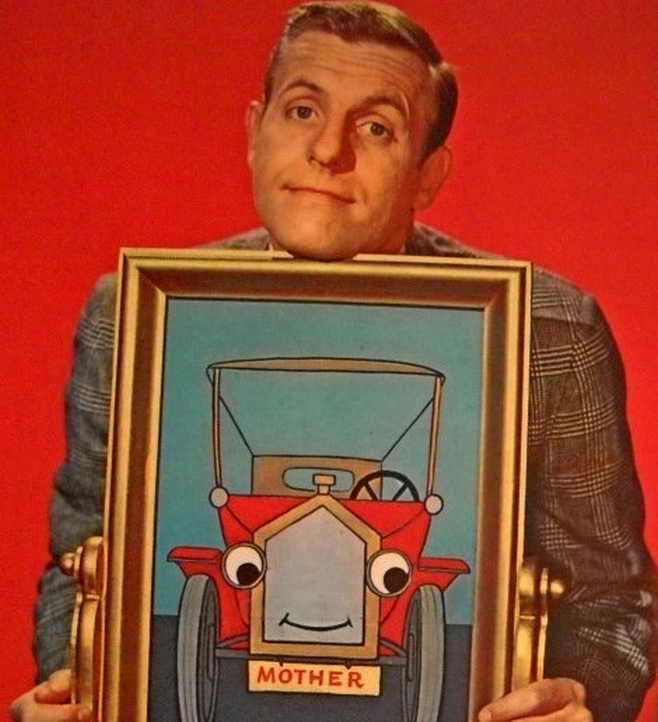
Eventually CBS laid Brooks off and it looked like his career might be over, until he happened to run into TV writer Allan Burns at a party. Allan Burns had previously worked on Rocky and Bullwinkle and George of the Jungle and had co-created The Munsters, and he got Brooks a job as a writer on the NBC sitcom My Mother the Car (1965-66). Even after Brooks rewrote the script, that show was still widely panned and continues to get made fun of for its premise to this day. But Brooks expanded his resume by writing for other shows like My Three Sons, The Andy Griffith Show and That Girl.
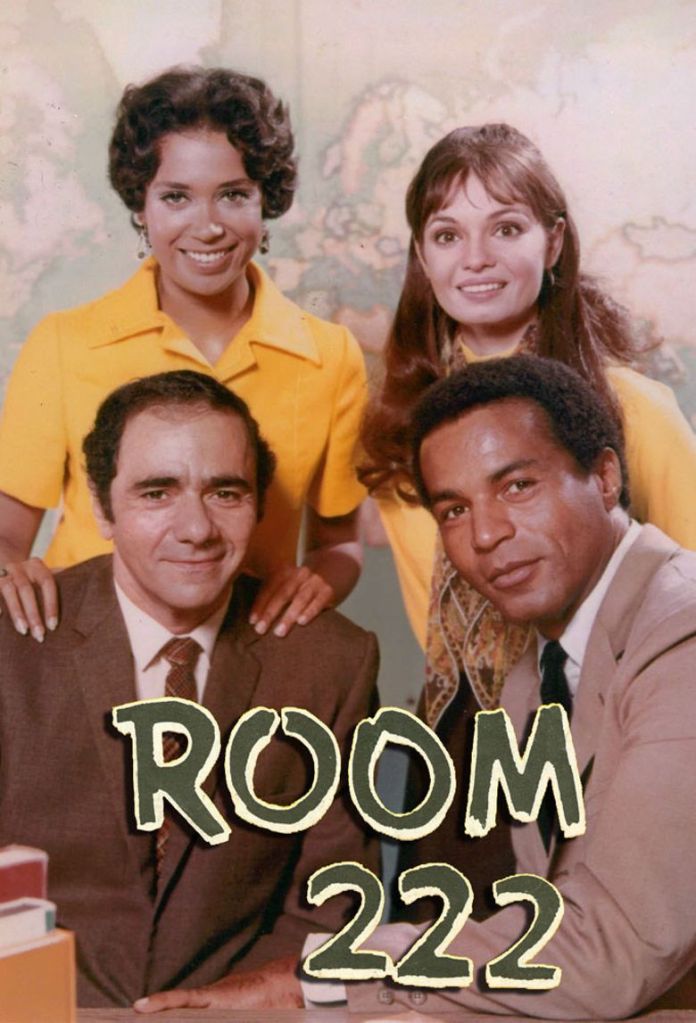
The first show Brooks created himself was Room 222, which aired on ABC for 5 seasons from 1969 to 1974 and focused on a history teacher played by Lloyd Haynes at the fictional Walt Whitman High School, his work life, his personal life and the lives of his co-workers and students. The show was often topical and was an early example of a comedy-drama on TV. It even won the Emmy for Outstanding New Series and was only the second series in the history of American television to feature a Black lead character. It was also quietly groundbreaking in the ways it explored more realistic and previously uncharted sitcom topics (before Norman Lear did it with All in the Family in a much louder way).
CBS ended up rehiring James L. Brooks (not for their news department but for their sitcom department) when CBS programming exec Grant Tinker hired Brooks and Burns to create a show for his wife actress Mary Tyler Moore of The Dick Van Dyke Show fame. That show, based partly on Brooks’ experience working in broadcast news, would become The Mary Tyler Moore Show and it was a huge success with both TV viewers and critics, breaking new ground for its depiction of an independent single woman in a lead role and for its smart character-based humor. The show won the Emmy for Outstanding Comedy Series three years in a row and it is regularly acknowledged as one of the best shows in TV history.

Brooks and Burns explored the characters from The Mary Tyler Moore Show further when they co-created the spin-offs Rhoda (1974-79) and Lou Grant (1977-82). The latter was a drama rather than a comedy but nonetheless received a lot of acclaim for its exploration of the lives of reporters in the contemporary news media landscape. And just like Mary Tyler Moore, it would end up winning a Peabody for its smart writing.
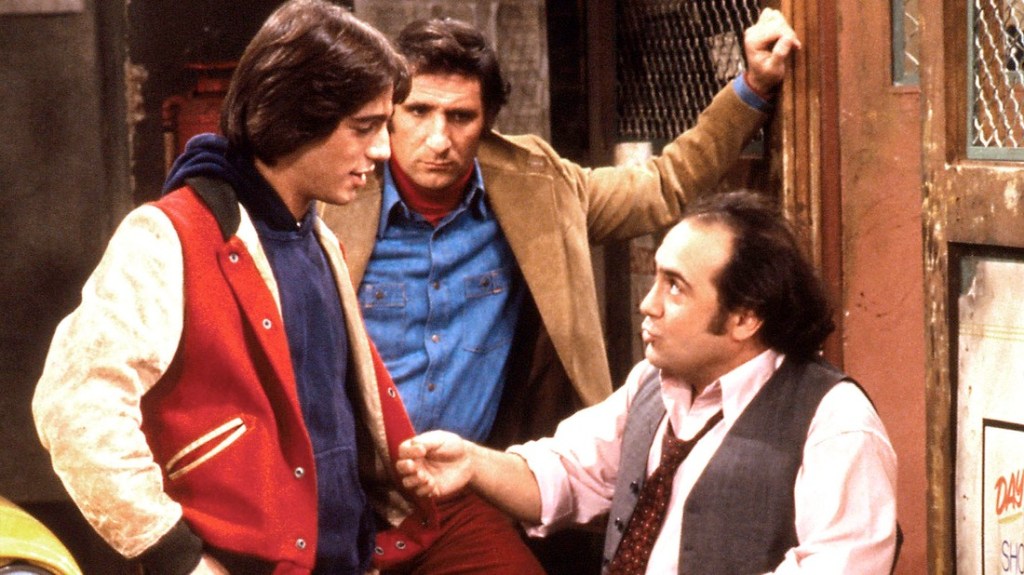
A year after The Mary Tyler Moore Show ended, Brooks co-founded the John Charles Walters Company with David Davis, Stan Daniels and Ed. Weinberger and together they would produce the sitcom Taxi, which originally ran for 5 seasons from 1978 to 1982 on ABC and from 1982 to 1983 on NBC. Just like Mary Tyler Moore, Taxi was a workplace comedy (from a more male-oriented blue collar perspective) full of colorful characters that tackled serious subjects and was widely regarded as one of the best TV shows. Plus, just like Mary, it won the Emmy for Outstanding Comedy Series three years in a row.
Another John Charles Walters sitcom called The Associates, which starred a young Martin Short, followed three novice lawyers and was also critically acclaimed, but unlike Mary and Taxi, this one was largely ignored by viewers and got cancelled after nine episodes that aired from 1979 to 1980 on ABC.
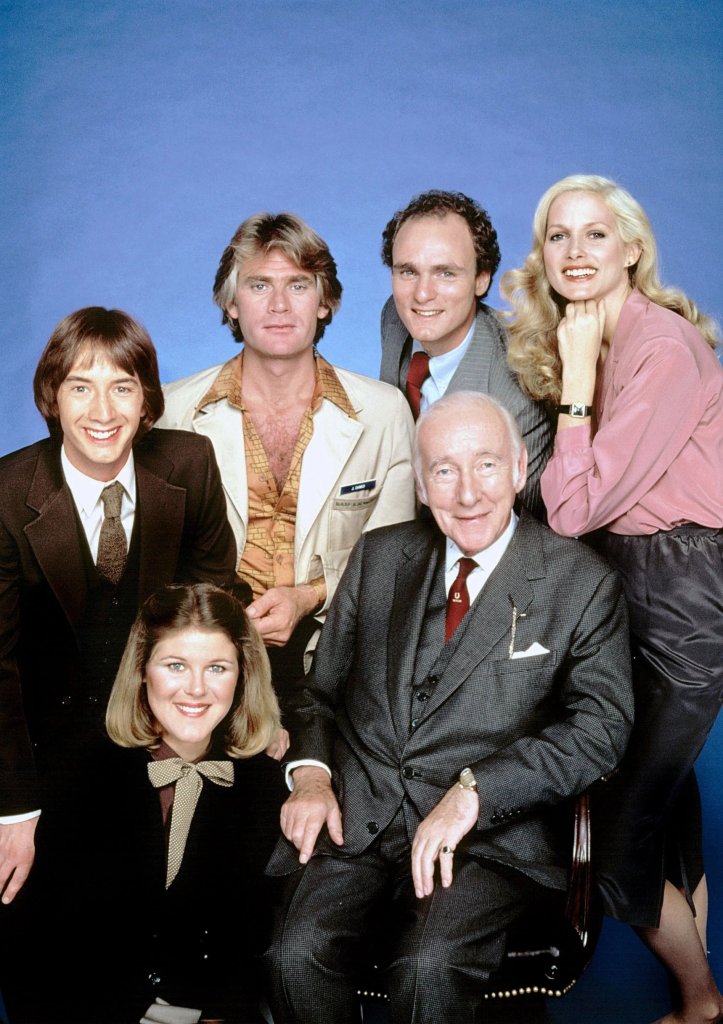
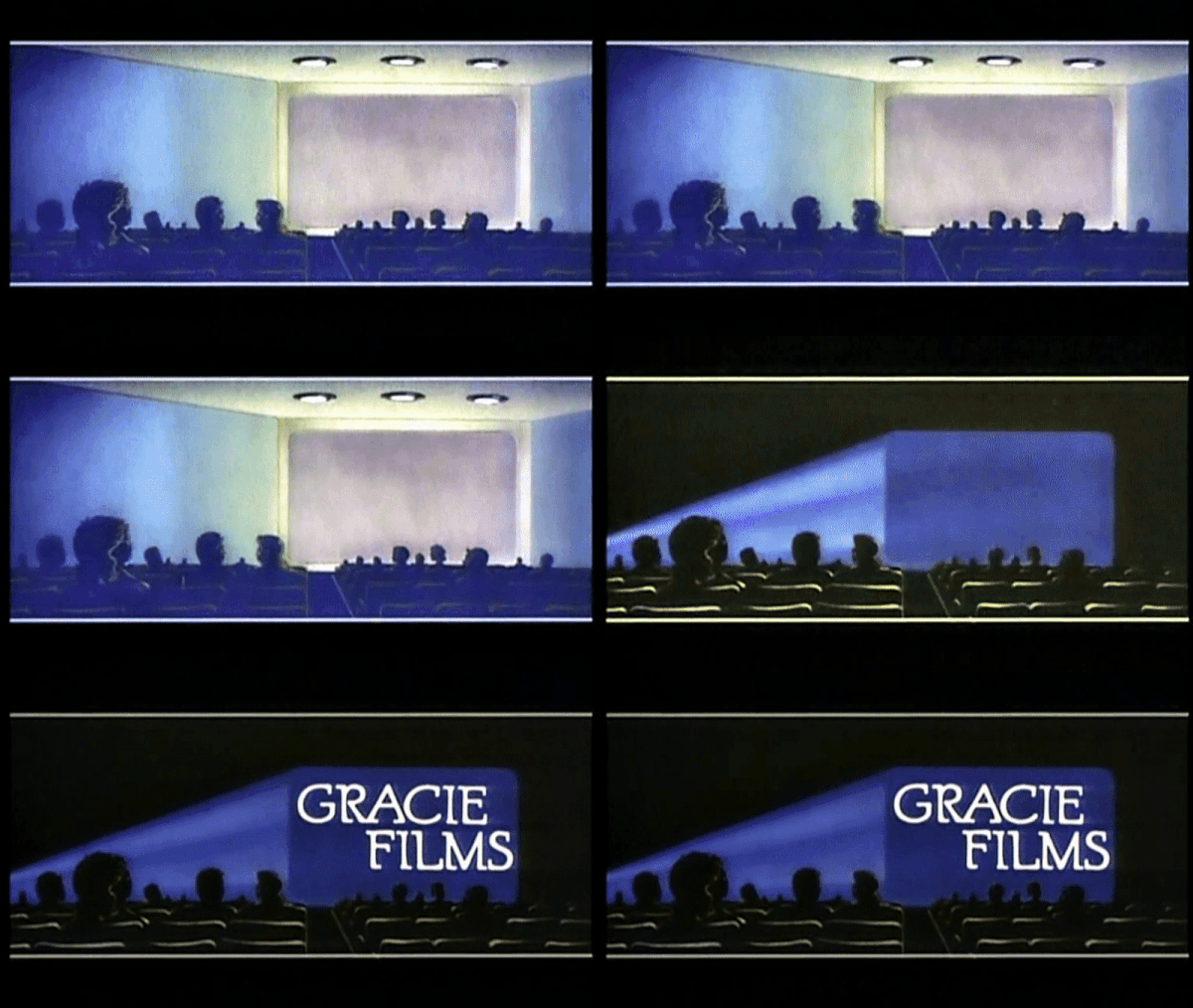
The Associates would be Brooks’ last television series as a producer, and three years after it ended, John Charles Walters would end its run. But three years later in 1986, Brooks founded the film and TV company Gracie Films which would continue to produce comedies for television that Brooks would executive produce, including the sketch variety series The Tracey Ullman Show which aired on FOX from 1987 to 1990, as well as its animated spin-off The Simpsons which first aired on FOX in 1989 and which Brooks helped develop and write. The Simpsons continues to air new episodes on FOX to this day and is by far the most popular thing Brooks has ever been creatively involved in, but Gracie Films also produced the ABC sitcoms Sibs (1991-92), Phenom (1993-94) and the animated series The Critic which originally aired on ABC in 1994 before moving to FOX for its second and final season in 1995. The last new show produced by Gracie Films and executive produced by Brooks was the ABC sitcom What About Joan? which aired for 2 seasons in 2001.
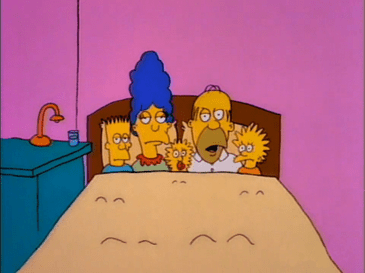
While The Simpsons may have been the last successful TV series James L. Brooks made, his film directing career was only just beginning when that animated family made their screen debut on Tracey Ullman.
The first script written by Brooks to make it to the big screen was Starting Over (1979), Alan J. Pakula’s comedy-drama starring Burt Reynolds as a divorced man torn between his girlfriend and his ex-wife. Jill Clayburgh (the girlfriend) and Candice Bergen (the ex-wife) both got Oscar nominations for that film, but Brooks’ next film Terms of Endearment (1983) would be an even bigger smash with audiences, critics and awards. Based on the 1975 novel by Larry McMurtry, Terms of Endearment is a comedy that chronicles the relationship between a mother (Shirley MacLaine) and daughter (Debra Winger) over the course of 30 years and eventually leads to tragedy. The film also starred Jack Nicholson, Danny DeVito and John Lithgow and Brooks would not only win the Oscar for Best Adapted Screenplay but the film itself won the Oscar for Best Picture of 1983.

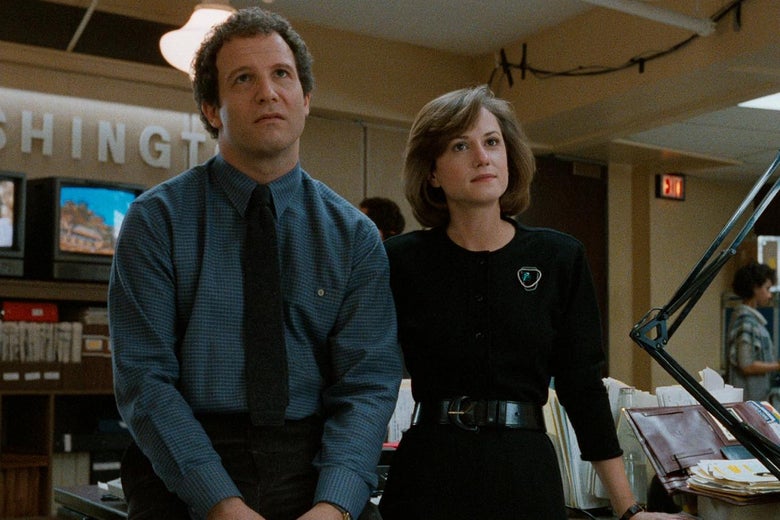
His next film Broadcast News (1987) was a romantic comedy starring Holly Hunter, William Hurt and Albert Brooks as employees at a national news network whose personal lives and professional lives clash in ways both sad and funny. The film would once again earn Brooks a nomination for Best Picture as well as a nomination for Best Original Screenplay, although it lost that award to Moonstruck and it lost Best Picture to The Last Emperor. But Broadcast News is still seen as a classic comedy.
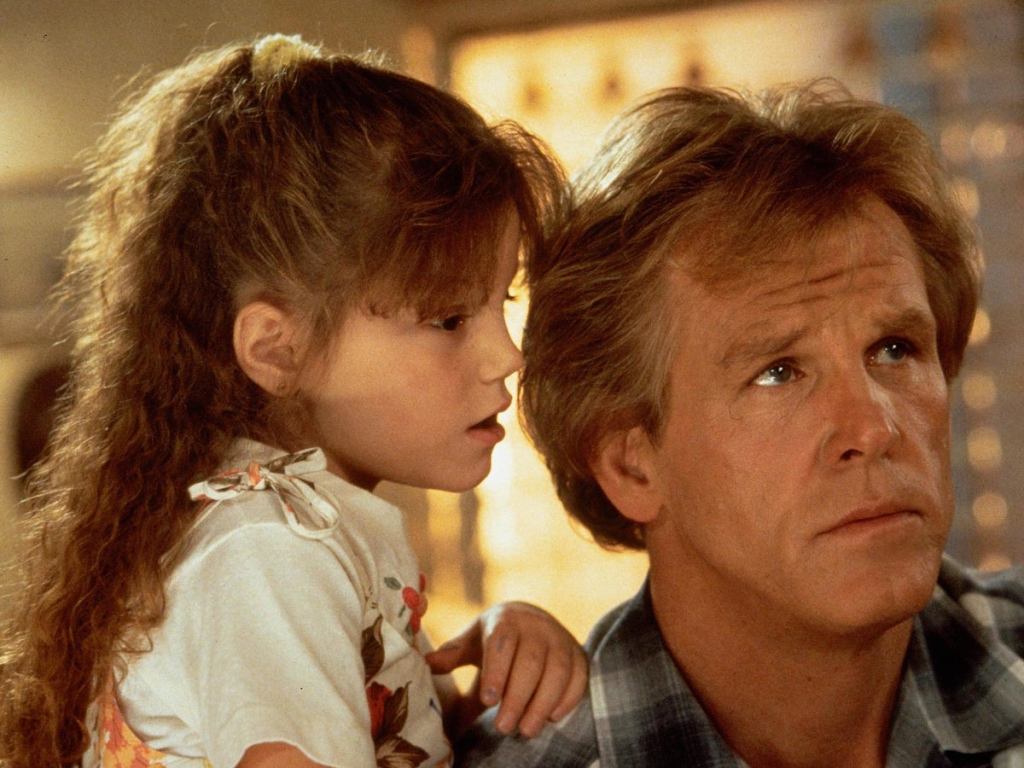
I’ll Do Anything (1994) was a bit similar to Broadcast News in the way it combined personal lives with high-stakes work, following a down-on-his-luck actor (Nick Nolte) who cares for his six-year-old daughter following his divorce. Brooks originally conceived the film as a musical parody of Hollywood, but that concept tested too poorly and Columbia Pictures forced Brooks to axe the musical numbers and mold it into something more conventional, although that made little difference because the finished film received mixed reviews and was ignored at release. More successful was the rom-com As Good As It Gets (1997) starring Jack Nicholson as a misanthropic writer living in New York City (almost a clichéd portrayal of a New York writer at this point) who meets a woman played by Helen Hunt who has a chronically ill son. The film got good reviews and earned a Best Picture nomination at the Academy Awards as well as Oscar statues for both Nicholson and Hunt.

Brooks’ next two directorial efforts were not well-received critically or commercially, the first one being the romantic comedy Spanglish (2004) starring Adam Sandler in one of his rare dramatic roles, and the second one being another rom-com called How Do You Know (2010) starring Reese Witherspoon as a softball player caught in a love triangle between Owen Wilson and Paul Rudd. But if you count the films Brooks produced and did not direct, his filmography starts to look a lot more impressive. These films include Penny Marshall’s hit comedy Big (1988) starring Tom Hanks as a boy trapped in the body of a man, Danny DeVito’s satirical black comedy The War of the Roses (1989), Cameron Crowe’s Oscar-nominated Jerry Maguire (1996) starring Tom Cruise, Penny Marshall’s Riding in Cars with Boys (2001) starring Drew Barrymore and of course The Simpsons Movie (2007) which Brooks not only produced but co-wrote. Brooks also served as an executive provider on two films produced by Gracie Films: Cameron Crowe’s Say Anything… (1989) and Wes Anderson’s Bottle Rocket (1996).
In more recent years, Brooks and Gracie Films found huge success producing two coming-of-age films directed by Kelly Fremon Craig that I thought were masterpieces: The Edge of Seventeen (2016) starring Hailee Steinfeld as a struggling teenager opposite Woody Harrelson and Kyra Sedgwick, and Are You There God? It’s Me, Margaret (2023) starring Abby Ryder Fortson, Rachel McAdams, Benny Safdie and Kathy Bates and based on Judy Blume’s classic 1970 novel.

In the world of television Brooks has been credited for bringing a newfound realism to sitcoms, popularizing the concept of character-focused non-domestic comedies which has led to similar shows like Cheers, Seinfeld and Friends. He wrote like this on a larger scale with his movies, and while Brooks has not directed a film since 2010, he is currently writing and directing an upcoming comedy called Ella McCay which will star Emma Mackey of Sex Education fame alongside Albert Brooks, Jamie Lee Curtis, Woody Harrelson, Kumail Nanjiani and Ayo Edebiri and is said to tell a story that once again combines family life with work life, only this time set in the world of politics. A setting ripe for both comedy and drama, in other words it sounds exactly like something in his wheelhouse.

 Entertainment Junkie Blog