

Back in 2021 when I wrote an article about Norman Lear’s influence on television, I highlighted some of the sitcoms he produced and the ways that they pushed boundaries. All in the Family for the way it talked about politics, Sanford and Son for the domino effect it had on Black sitcoms, and other shows that charted new territory like Maude, Good Times, The Jeffersons and One Day at a Time. So vast was the ripple effect that other sitcoms outside of Normal Lear’s orbit have also been less afraid to tackle more serious subjects as a result.
Here is a list of some of the sitcoms that have come out in the years since Lear’s shows and pushed the envelope in similar ways. I can’t say for sure that all of them were directly influenced by Lear, but if shows like All in the Family didn’t exist and show us that there is an appetite in the sitcom world for radical ideas and adventurous subject matter, these may not have been greenlit.
Bridget Loves Bernie (1972-73, CBS)
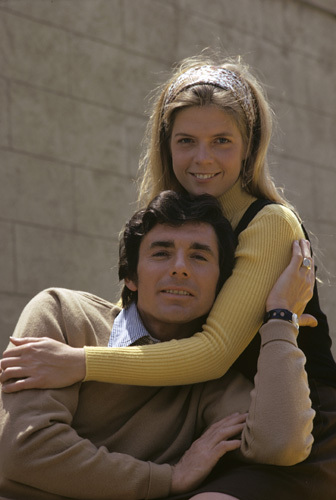
Lucy and Desi were the first interracial married couple in television history, but this sitcom about a Jewish Man and a Catholic Woman showed TV’s first interfaith married couple. And while the show was highly popular in the ratings, it was a lighting rod for controversy as you can imagine. CBS apparently didn’t think it was worth it so they cancelled it after one season.
M*A*S*H (1972-83, CBS)

Who knew a TV adaptation of a classic film would actually become just as much of a groundbreaking cultural phenomenon as the film itself? The way this show blended drama and comedy was startling at times but for a Vietnam War allegory about a military medical unit it kind of needed to be. And one of the main characters even got killed off, which up to that point was unheard of. Audiences absolutely loved it though. A series that didn’t take itself too seriously nor shy away from serious topics while showing the full scale of human emotion was exactly the kind of sitcom America wanted and needed at that time.
Welcome Back, Kotter (1975-79, ABC)

This comedy tackled a very real subject that still resonates with Americans to this day: the struggles of inner-city youth growing up in ghettos. A good example of a show that likely wouldn’t have been as popular had it not been for the humourous angle that makes the serious stuff go down easier. And of course John Travolta.
Three’s Company (1977-84, ABC)

This show about a single man and two single women sharing an apartment together marks a big turning point in the sexual innuendo-driven comedies that have continued into the modern era with shows like Two and a Half Men. But even the concept alone of single unmarried adults living together was enough to scare the prude police into calling for this show’s cancellation. But the viewers saved it. This was highly popular and another big sign that America was maturing (so to speak) in the seventies.
Soap (1977-81, ABC)

Representation of gay people on television still had a long way to go when this show came around (let’s just say it’s dated) but the soap opera parody Soap was the first sitcom to put a gay character at its center and that was something. Plus it put Billy Crystal on the map and I am eternally grateful to this show’s existence for that.
Diff’rent Strokes (1978-85, NBC, 1985-86, ABC)
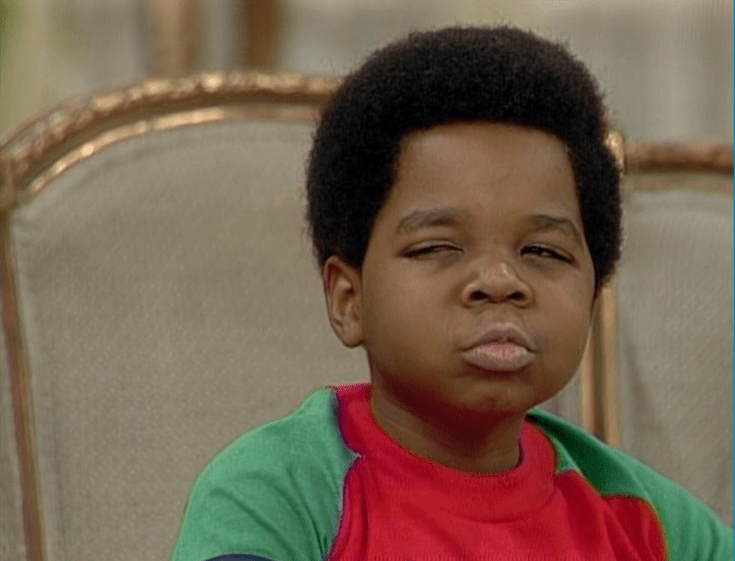
Looking back at this show now it doesn’t seem particularly noteworthy (Gary Coleman’s catchphrase doesn’t count), but it was a sitcom that centered on the concept of adoption and that was kind of a radical idea. Plus the “Very Special Episode” trope where sitcoms attempt to dedicate entire episodes to tackling serious subject matter like racism and alcoholism got their very sincere start here before they became the target of ridicule and satire.
The Facts of Life (1979-88, NBC)

This Diff’rent Strokes spin-off sought to depict the lives of teenage girls in ways that were more authentic than before, tackling serious but relatable subjects like sex, drugs, peer pressure and eating disorders, and they succeeded.
The Cosby Show (1984-92, NBC)

Finally a show about a middle-class Black family! The Huxtables were not struggling to make ends meet but they weren’t the Jeffersons either. This was a show about a Black family that actually felt like the family that I grew up in. Most extraordinary of all was how the writers were able to find humor in situations that didn’t feel cheap or involve characters losing their temper or insulting one another, which was the “been there done that” approach to many sitcoms. It had a loving father, a confident and strong-willed mother, kids who weren’t bratty but actually well-behaved, and yet it still managed to be one of the most hilarious comedies on TV. It’s no wonder it was so popular at the time. It even led to a spin-off called A Different World (1987-93, NBC) which followed Denise Huxtable’s life in college. Another premise that has never been done with Black characters before.
Who’s the Boss? (1984-92, ABC)

This show broke gender stereotypes not just by making Tony Danza the housekeeper to Judith Light’s ad executive, but if you go beyond the premise and actually sit down to watch it, the way it portrays men and women throughout its run is more complex and human than you might expect, especially when compared to the average sitcom.
The Golden Girls (1985-92, NBC)

A surprisingly three-dimensional portrayal of women over 50, especially in lead roles. Long relegated to the grandma supporting role or the long-distance relative who occasionally makes a guest appearance, this series sought to humanize older women and they succeeded with flying colors. It’s impossible not to love any of these characters and it wasn’t just women and older folks who tuned in. This show continues to be popular with people of all ages and genders to this day. To the credit of NBC executives, they knew this show was a big gamble, but they put their faith in it anyway because, like everyone else, they just plain loved it.
Roseanne (1988-97, ABC)

A sitcom that put the struggles, imperfections and reality of blue-collar American life in the spotlight and became one of the most beloved sitcoms ever as a result. We really needed a show like this and a character like Roseanne in the eighties because not all families come from happy homes. We argue, we hold grudges, we don’t all look like supermodels and we struggle to pay bills. It was the anti-Cosby Show that America was ready for.
Ellen (1994-98, ABC)
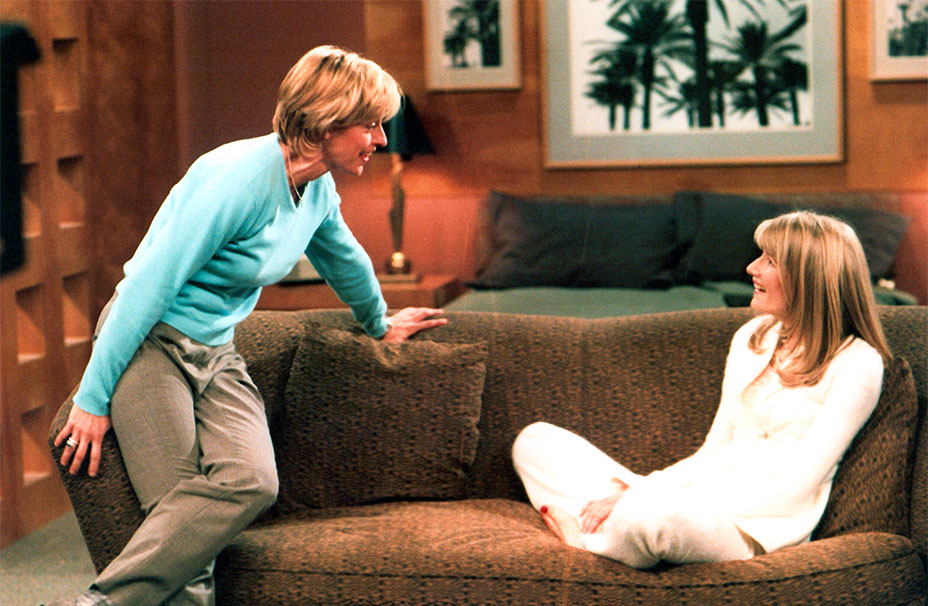
You already know what I’m going to say about this one. The first lead character in television history to come out as gay? Unheard of. A huge deal. A major moment in pop culture. The ratings went down after that episode possibly due to homophobia but even some of the show’s most loyal fans thought the show lost its focus after that episode, so ABC cancelled the show shortly thereafter. Although Ellen DeGeneres gained a whole new level of popularity and became THE lesbian icon of Hollywood. You can cancel the show but you can’t cancel how much that moment meant to lesbians around the country.
All-American Girl (1994-95, ABC)
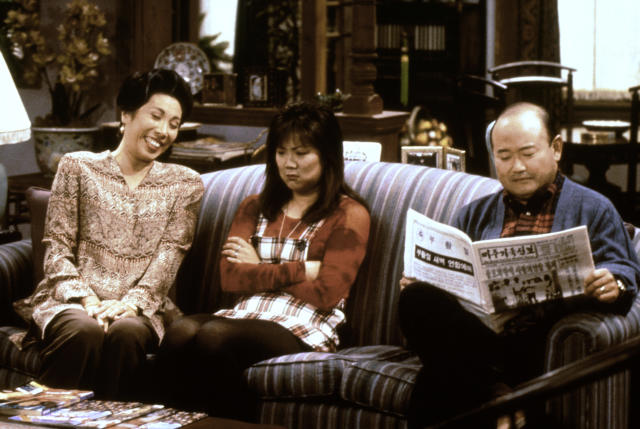
Margaret Cho deserves credit for being the first Asian-American lead actor in a sitcom. Too bad the way ABC handled this show was atrocious. American TV writers in the nineties were still not sophisticated enough to write a show about Asians that didn’t contain some stereotypes but ABC’s solution was not to make their writers do a better job writing dialogue for Korean Americans but to just write more White characters into the show. As you can imagine this show was heavily scrutinized and it didn’t help that the humor was very hit-or-miss. So it left the air after one season. Margaret Cho later talked about what it was like to make that show in her stand-up comedy and that account is much funnier than anything in the show, but it also unfortunately highlights how little America was ready for something like it.
Will & Grace (1998-2006, NBC)

Capitalizing on the success of Ellen, this show featured two main characters who are gay, and most surprisingly of all managed to write them in respectful and nuanced ways while still maintaining a sense of humor. There’s a reason why this show is so popular. It’s amazing to think that a sitcom about gay people came out the year after Ellen received a homophobic backlash, but I guess good writing can save anything.
 Entertainment Junkie Blog