
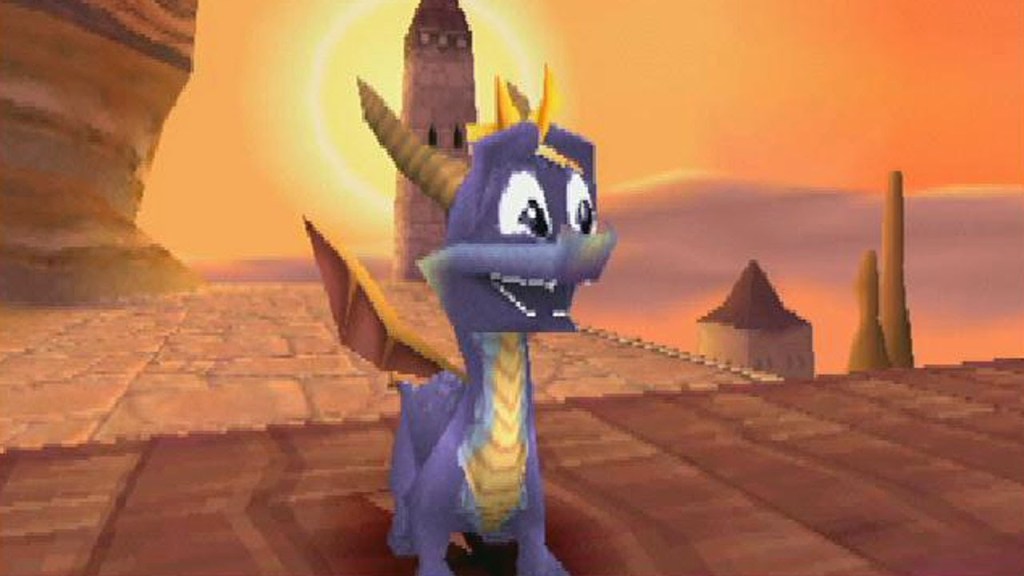
The rise of the software company Insomniac Games is an example of how consistent perfectionism and earning the trust of gamers can help drive a developer forward both creatively and commercially.
Ted Price, a first-gen console gamer and avid Atari 2600 player in the eighties, teamed up with classmate and computer programming expert Alex Hastings and Alex’s brother Brian Hastings to found a video game company called Xtreme Software in 1994, although Xtreme Software was forced to change its name in a year by another company who shared the same name, and after mulling over such new names as “Ragnarok” and “Black Sun Software” they finally landed on “Insomniac Games,” a reference to the constant state of being a video game creator.
For Insomniac’s first project, they took inspiration from id Software’s highly popular first-person shooter Doom with a shooter of their own called Disruptor (1996). Insomniac shopped around a tech demo and Universal Interactive, a video game publisher that was also founded in 1994 (as a way for Universal Pictures to capitalize on the video game industry), was impressed with the game and helped fund and market it, which led to the inclusion of cutscenes and voice actors.
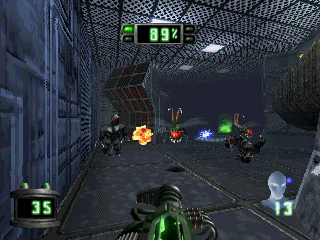
Originally planned for Panasonic’s 3DO game console (because they had the least expensive engine), the 3DO ended up underperforming on the market and Universal suggested that Insomniac switch the game to Sony’s PlayStation instead. Despite being essentially a Doom clone made by a bunch of inexperienced game developers, when Disruptor was released on the PlayStation in 1996 it received positive reviews, not just from game critics but from id Software co-founder and Doom designer John Romero as well, with a lot of praise aimed at the game’s unique and varied weaponry and strategic gunplay, as well as the wide variety of mission objectives and environments to explore. Although the game didn’t make a big mark commercially and was largely overlooked that year. As a result, Insomniac decided to develop something in a completely different genre for their next game.
Leaning away from shooter games and more towards the family-friendly market (another thing suggested by Universal), Insomniac’s next game Spyro the Dragon (1998) would be one of their most popular.
While Nintendo dominated the family market at this time, PlayStation still had plenty of room for growth in that department, and by that time Universal Interactive’s Crash Bandicoot (1996) had already proven that there was room for non-Nintendo games aimed at kids.
Alex Hastings developed an engine that specialized in panoramic views and open world exploration. Meanwhile, upon Universal’s desire to have a mascot-driven game with mass appeal like Mario and Sonic, Insomniac artist Craig Stitt recommended that they make the game’s main protagonist an anthropomorphic dragon. The dragon they designed was originally bigger, but they felt a small dragon would be easier to control. He was originally green, but they worried he would blend in too well with the game’s natural environments. He was originally named Pete (until they got concerned about copyright issues with Disney), then Pyro (which was vetoed as too mature and edgy) and then finally Spyro. And that is how the small purple dragon named Spyro was born.

The humorous dialogue in the game was written by Peter Kleiner, the characters were designed by Crash Bandicoot designer Charles Zembillas and Spyro was voiced by Carlos Alazraqui of Rocko’s Modern Life and Taco Bell Chihuahua fame.
The object of the platform game was to explore the Dragon World and rescue Spyro’s fellow dragons from the evil Gnasty Gnorc who seeks to take over the world by freezing all the dragons in crystal. The worlds Spyro explores are open-ended and full of treasure to collect which makes for a fun exploration game, and Spyro would also run into enemies who he could fight by ramming them with his horns and breathing fire. Plus Spyro has wings so you can even explore while airborne, which gives you even more freedom (and a 1-up over Mario and Sonic).

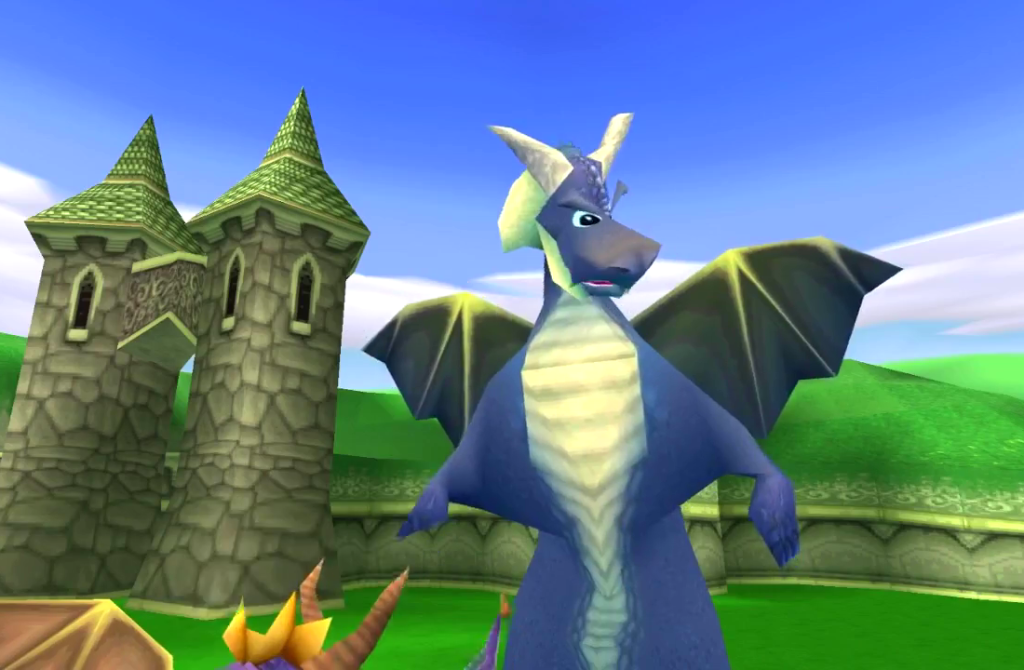

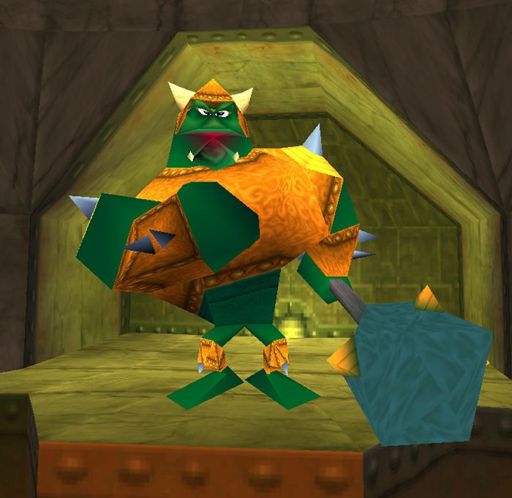
Spyro the Dragon was released for the PlayStation in 1998 and was praised for its beautiful graphics, great music, technical performance and level designs. It was seen by some gamers as simplistic and low in difficulty when compared to similar games like Super Mario 64 and Banjo-Kazooie, but for the time it was still an impressive platformer. The game had voice acting and it had the vibe of an animated movie, even called one of the PlayStation’s best games by some critics. As for its commercial success, it started slow upon release in September, but picked up around Christmas and became Insomniac’s first huge success.
Upon the game’s success, Universal asked Insomniac to make a sequel. That game was called Spyro 2: Ripto’s Rage! and it was released for the PlayStation in 1999 and once again received a positive reception for the way it expanded upon the first game with new ideas and expanded cinematics. When Universal asked for a third game, Insomniac called it Spyro: Year of the Dragon (released in 2000, which was the actual Chinese Year of the Dragon) and gave Spyro more special moves and gave the player a bigger cast of characters to play as to make the gameplay more varied. They also softened up Spyro’s attitude-filled personality to something more likable and improved the audio and graphic quality, and once again the gaming community loved it and praised it for successfully building upon its predecessors.
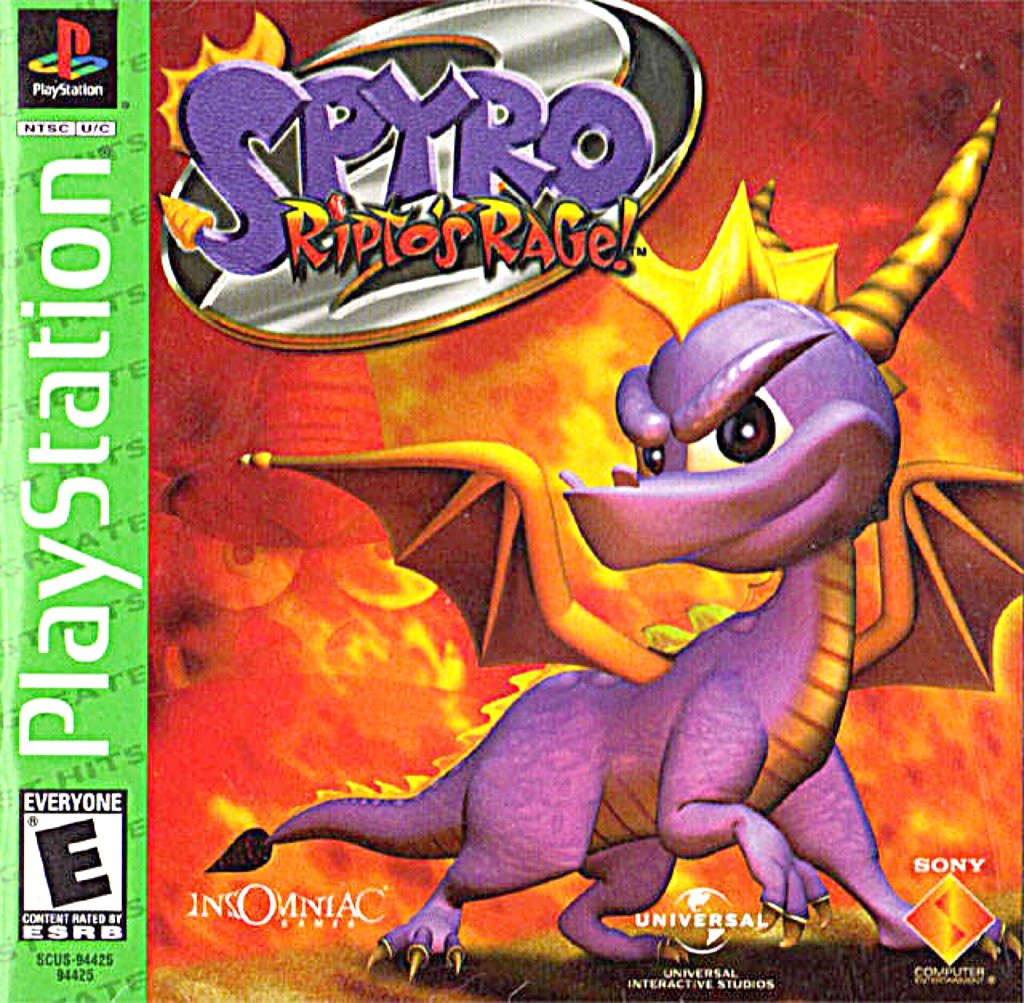
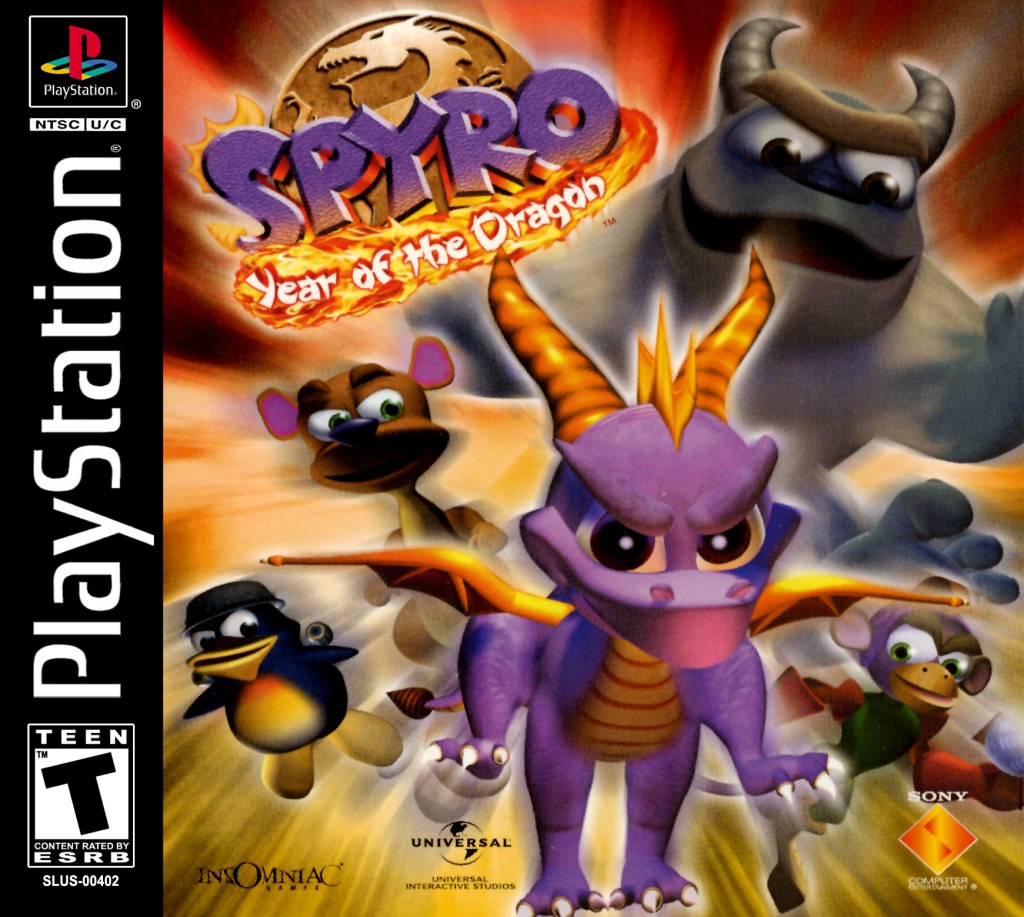
Insomniac decided to move on from the Spyro series and make something new for their next game, although Universal still owned the rights and they have continued to publish new games starring the dragon through the years with other developers like Digital Eclipse and Vicarious Visions, until 2008 when Activision acquired Spyro following their merger with Vivendi Universal which resulted in the creation of Activision Blizzard as well as the 2018 remastered collection Spyro Reignited Trilogy, developed by Toys for Bob and based on Insomniac’s original three PlayStation games.
When Insomniac moved on to develop games for the PlayStation 2, they struggled to come up with ideas, but they eventually settled on a science-fiction adventure game starring a reptilian creature who changed in the pre-development phase into a caveman and then later became a cat-like alien creature called a “Lombax.” The Lombax was named Ratchet and he was given a robot companion named Clank, and to differentiate it from Spyro they added shooter and RPG elements. The game Ratchet & Clank was released on the PlayStation 2 in 2002 to critical success, with positive reactions towards its weapon-based combat, which was something that made it stand out from other melee-based platformers of the time.
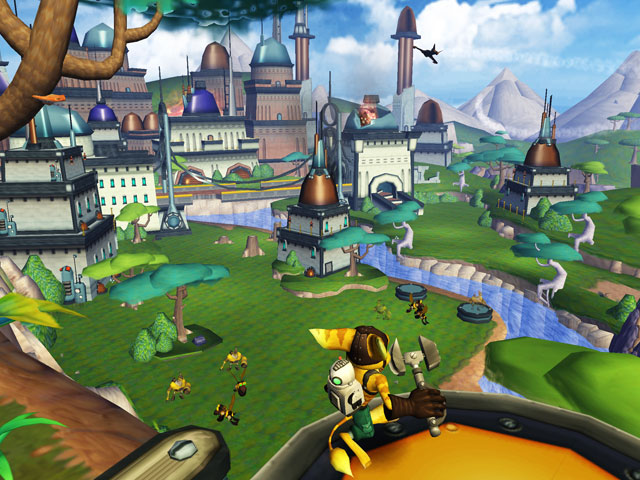
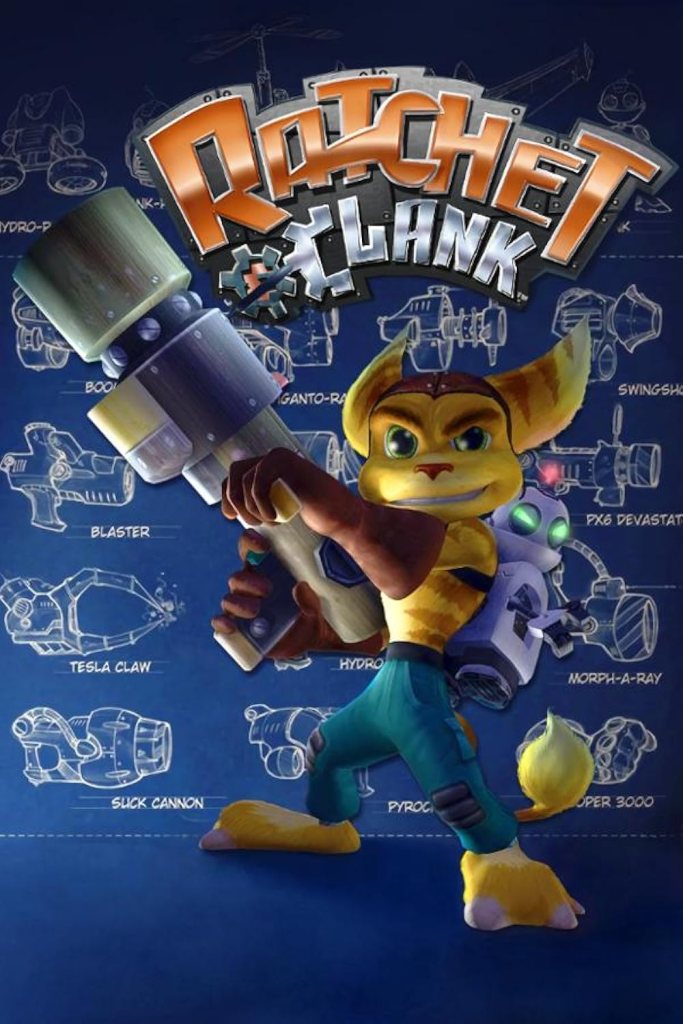
This was by far the most successful game series Insomniac Games ever had. They developed a sequel called Ratchet & Clank 2: Locked and Loaded (2003) which was even more popular and was seen as superior to its predecessor as well as one of the best PS2 games ever released, and that was followed by a third game called Ratchet & Clank: Up Your Arsenal (2004) which received huge critical acclaim and expanded on the previous games with even better graphics, funnier comedy, larger worlds, the ability to drive vehicles and a multiplayer mode. The last main entry in the series for the PS2 was Ratchet: Deadlocked (2005) which had a darker story and was the first game in the series to feature a story mode with cooperative gameplay and the first not to feature Clank as a playable character, but it was still generally well-received and it sold well.
After Ratchet: Deadlocked, Insomniac wanted to try something different so they made a first-person shooter called Resistance: Fall of Man (2006), a game set in an alt-history 1951 in which human resistance forces must protect the United Kingdom from an alien invasion. The PS3 launch title was well-received by gamers and its success led to the 2008 sequel Resistance 2 which was set in the United States. Critics appreciated the sequel more than fans because the game’s fan base found it too radically different from the first Renegade due to an inferior campaign mode and too many changes that were deemed unnecessary. The third game Resistance 3 (2011) was closer to the original game in an attempt to win back its fan base and it was seen by some as the best game in the series, but it was a commercial failure and Insomniac finally abandoned the series, although Sony still owns the rights.


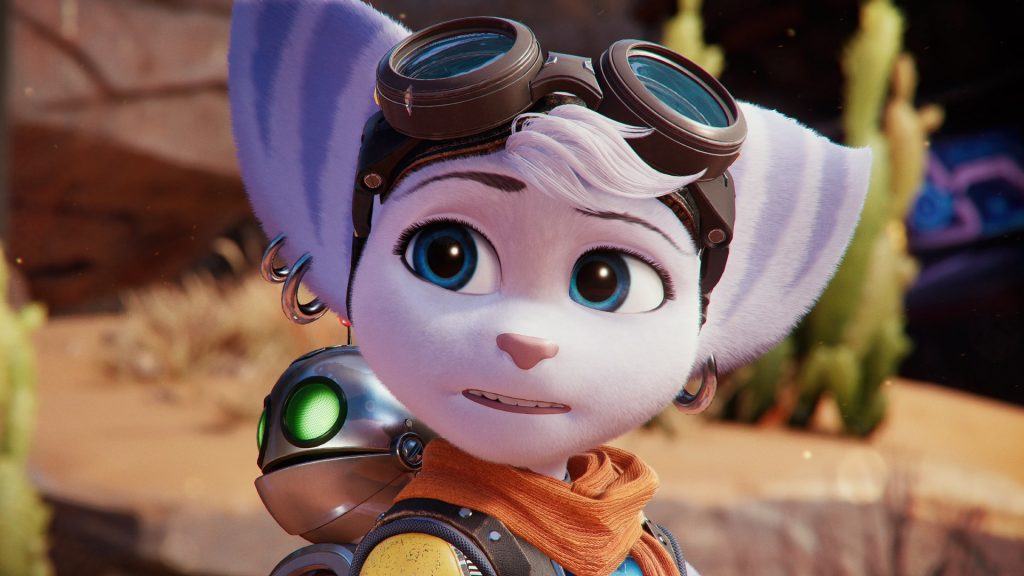
Ratchet & Clank Future: Tools of Destruction (2007) is the first game in the Ratchet & Clank series for the PlayStation 3 and it was also praised as one of the best games for that console. Insomniac followed that up with Ratchet & Clank Future: Quest for Booty (2008), Ratchet & Clank Future: A Crack in Time (2009) and Ratchet & Clank: Into the Nexus (2013), all released for the PS3 and all generally well-received. The PlayStation 4 game Ratchet & Clank (2016) was both a tie-in with the 2016 animated film adaptation and a remake of the first game, and it received positive reviews (unlike the movie). The last Ratchet & Clank game Insomniac released was Ratchet & Clank: Rift Apart (2021) for the PlayStation 5 and once again, Insomniac knew what they were doing. The game is one of the most beloved on the PS5. The series clearly struck a chord with gamers as it is still going strong.



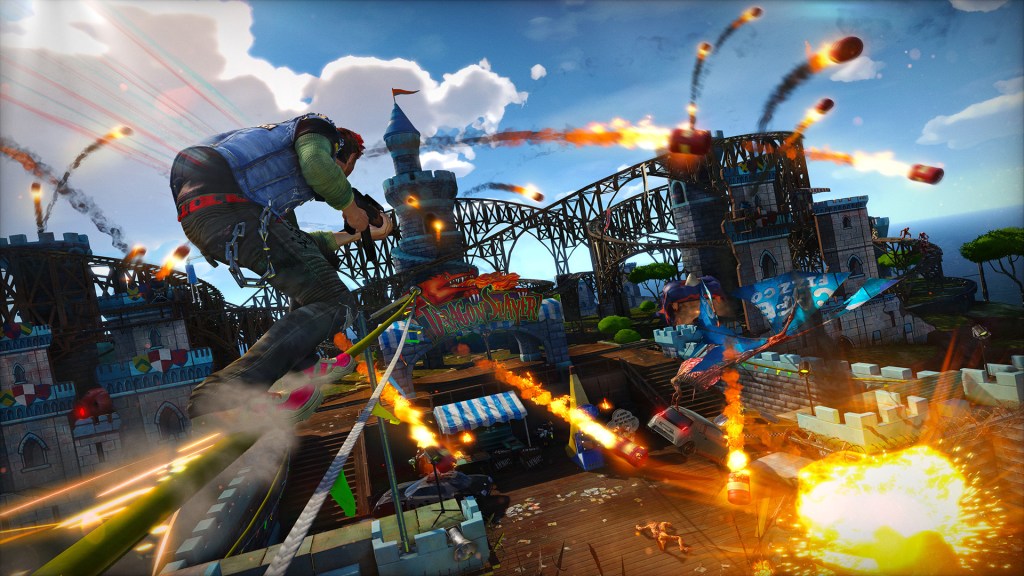
Other attempts at new original series include the cooperative shooter game Fuse (2013) and the Pokémon-like social game Outernauts (2014). Both were published by Electronic Arts for multiple platforms but the partnership between Insomniac and EA was not as successful as the one with Sony. Although Insomniac teamed up with Microsoft Studios on an Xbox One game called Sunset Overdrive (2014) set in a dystopian metropolis overrun by mutants. Inspired by movies like Tank Girl and I Am Legend and similar to video games like Jet Set Radio and Saints Row in tone, Sunset Overdrive was positively received, especially for its big open world and wide variety of customization.

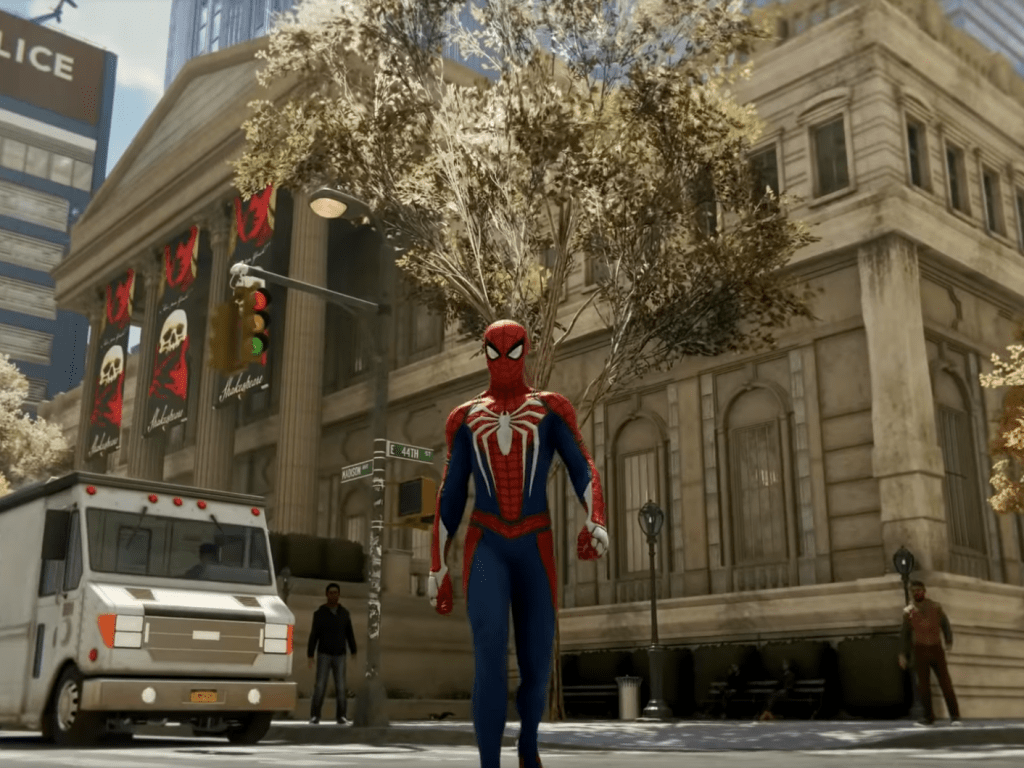
Other games from Insomniac include a 2016 Metroidvania called Song of the Deep, a water-based adventure game about a girl searching for her father in a submarine; an H.P. Lovecraft-inspired survival horror virtual reality game called Edge of Nowhere (2016) for the Oculus Rift; and Marvel’s Spider-Man (2018) for the PS4, which was developed by the same team behind Sunset Overdrive and received a ton of accolades for its story, combat, graphics and music and even became the best-selling PS4 game of all time and is one of the best superhero games ever made according to some. The story of Spider-Man revolves around super-human crime lord Mister Negative threatening to rule the criminal underworld by releasing a deadly virus into New York City. Insomniac chose to invent their own continuity as opposed to following the established continuity of the preexisting Marvel Universe to give themselves more creative freedom to tell the best Spider-Man story in the best Spider-Man game they could possibly make, and they succeeded.


The enormous success of Spider-Man led to a 2020 spin-off game for the PS4 and PS5 called Spider-Man: Miles Morales and the 2023 sequel Spider-Man 2 for the PS5, which saw Peter Parker and Miles Morales team up against the villains Kraven the Hunter and Venom and received critical acclaim as well. The success of Insomniac’s Spider-Man games also led to the acquisition of Insomniac by Sony as well as the announcement of another Marvel-based game from Insomniac starring Wolverine which is set to be released for the PS5.
The amount of successful and prolific video games this company has made makes me wonder if the people at Insomniac Games really are incapable of sleep. But even more impressive than their output is their consistently high quality and their ambition to push the envelope and try new things. I am constantly impressed by the people at Insomniac for how enthusiastic they have remained about their jobs and by how much they genuinely seem to care about making their games as fun as possible.

 Entertainment Junkie Blog