
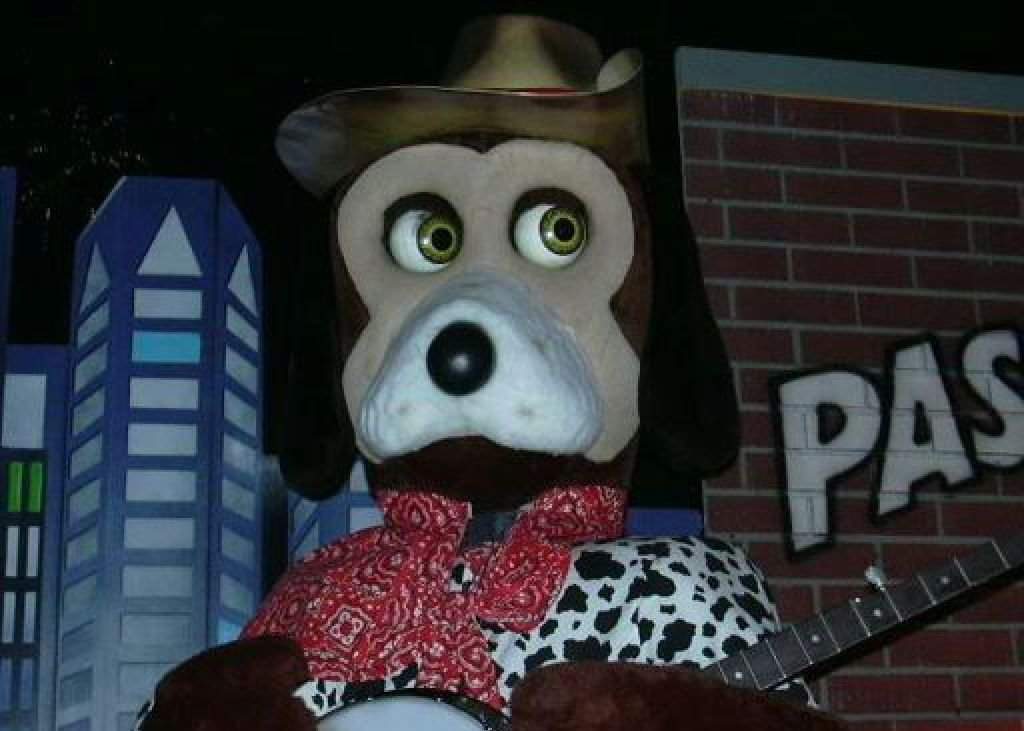
Something about the entertainment industry that has always continued to amaze me from childhood to adulthood are animatronics. Those mechatronic puppets you see in a lot of films, shows and theme parks which are controlled either by computers or by people and are often designed to resemble humans, animals, monsters, etc. They look like robots on the inside but are often covered with artificial skin or fur and depending on the level of technological sophistication they can open their mouths, blink their eyes and appear surprisingly lifelike.
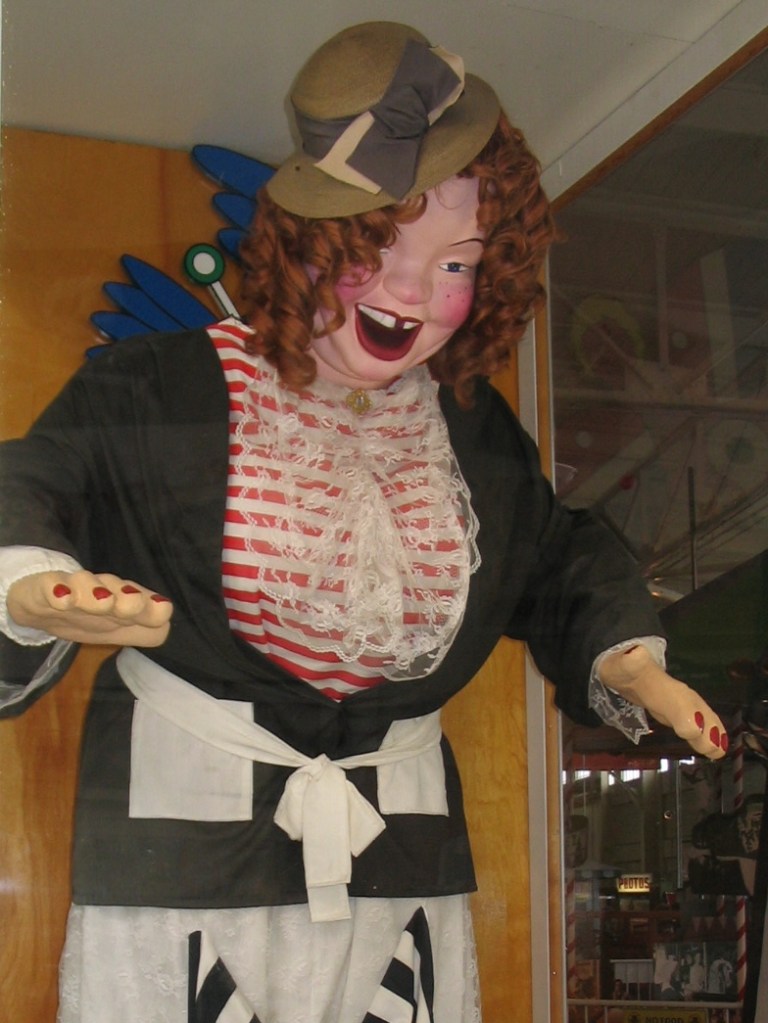
Animatronics (a portmanteau of the words “animated” and “electronics”) have been used in conjunction with fairs and theme parks ever since the 1930s. Laffing Sal was an early example of an animatronic figure that could lean forward and back, wave its arms and produce laughter thanks to a concealed record player. Laffing Sal is seen as the forebearer of amusement animatronics and was a fixture of California in the Depression era, although even back then Sal had a reputation for scaring kids and irritating adults, so engineers still had a way to go before they left the uncanny valley and made figures that were actually appealing (I just want to talk to the person who designed Laffing Sal and ask them “What were you thinking?” because that thing is nightmare fuel).
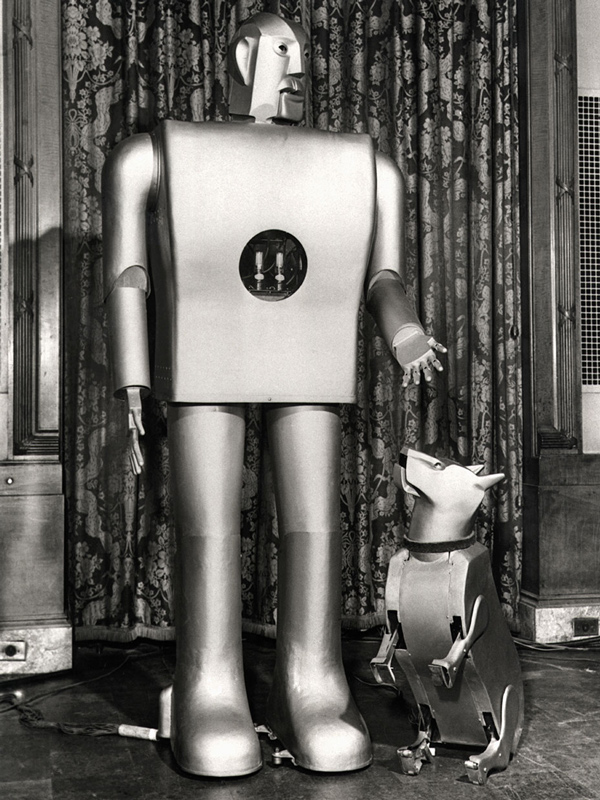
American manufacturing company the Westinghouse Electric Corporation built a 7-foot-tall humanoid robot named Elektro who could walk and talk, move his arms and head, blow up balloons and more. He made his public debut at the 1939 New York World’s Fair in Queens, the first ever future-based exposition which gave the public a glimpse into a “world of tomorrow,” and a year later, Elektro got a robot dog named Sparko that was capable of sitting and barking. Sparko is the first example of a modern animatronic that could resemble the movements of a living creature, although there was also reportedly an animatronic horse capable of galloping at that same fair, so that event was a watershed moment for both technology and the entertainment industry.
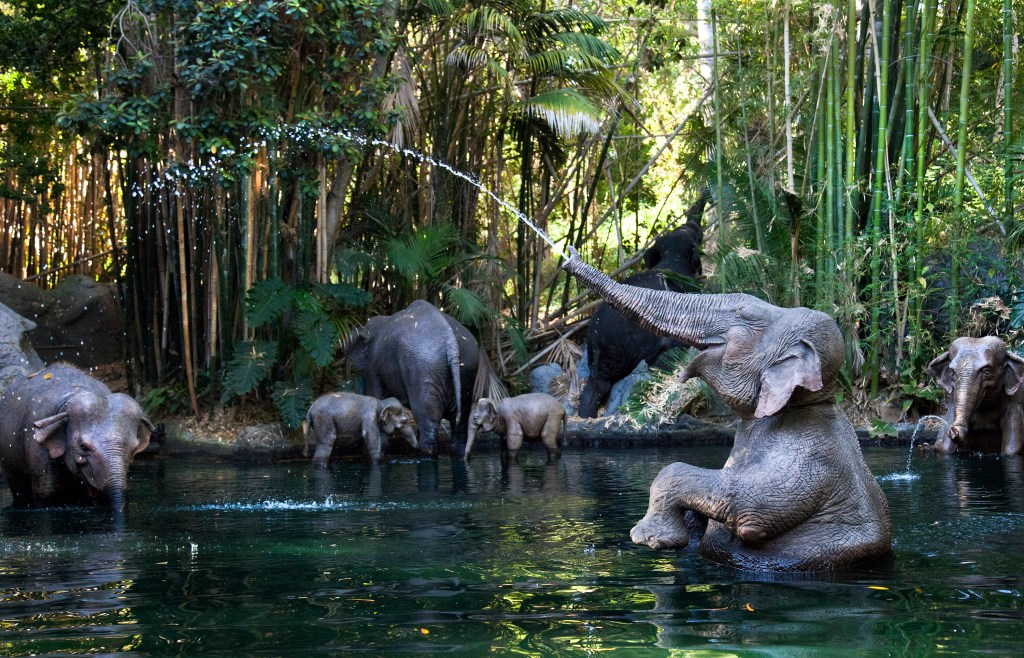
By the 1960s, engineering became sophisticated enough that people could operate human-like hands through the use of a computer, and in 1961 the term “Audio-Animatronics” was first coined by Walt Disney before he and his team of Imagineers popularized their usage in theme parks. Back in 1955 when Disneyland first opened in California there were early examples of animatronic animals used in the Jungle Cruise attraction, but the first Disney animatronics capable of speech were the singing Tiki Birds of the Enchanted Tiki Room, an attraction that made its debut in 1963, and Disney has been using animatronics and perfecting their technology ever since then in attractions like Pirates of the Caribbean, the Country Bear Jamboree, the Matterhorn Bobsleds, the Hall of Presidents and countless others through the decades.

Disney also created the first animatronic of a well-known human figure when they introduced Abraham Lincoln at the Illinois State Pavilion at the 1964 New York World’s Fair before he made his theme park debut in the attraction Great Moments with Mr. Lincoln, which opened at Disneyland in 1965. The year Disney’s Lincoln was introduced was also the year Disney’s Mary Poppins came out, and the animatronic birds from that movie were the first animatronics to be featured in a motion picture.


Since then animatronics were used by Hollywood with some regularity at the latter end of the 20th century, especially in horror, sci-fi and fantasy whenever a living thing needed to be brought to life in a believable way. Animatronics were used to bring the shark from Jaws (1975) to life and a year later they were used to bring King Kong to life in the 1976 remake. But you really started to see the innovation in Ridley Scott’s Alien (1979), when Carlo Rambaldi was able to bring H.R. Giger’s Xenomorph to chilling life, and even more impressively in Steven Spielberg’s E.T. the Extra-Terrestrial (1982) when Rambaldi introduced an animatronic alien that was not scary but friendly and even loveable. In fact the eighties was kind of when the animatronic boom took place, because you also had the technology being showcased in The Empire Strikes Back (1980), The Thing (1982), Gremlins (1984), Labyrinth (1986) and Child’s Play (1988) which featured Chucky in his screen debut.
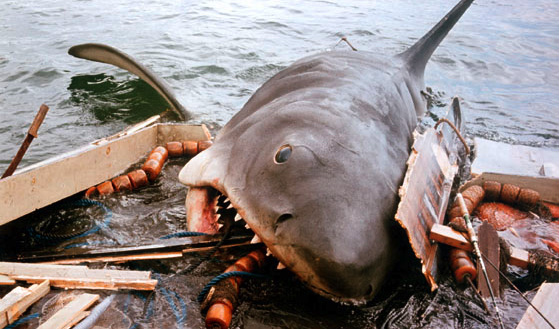
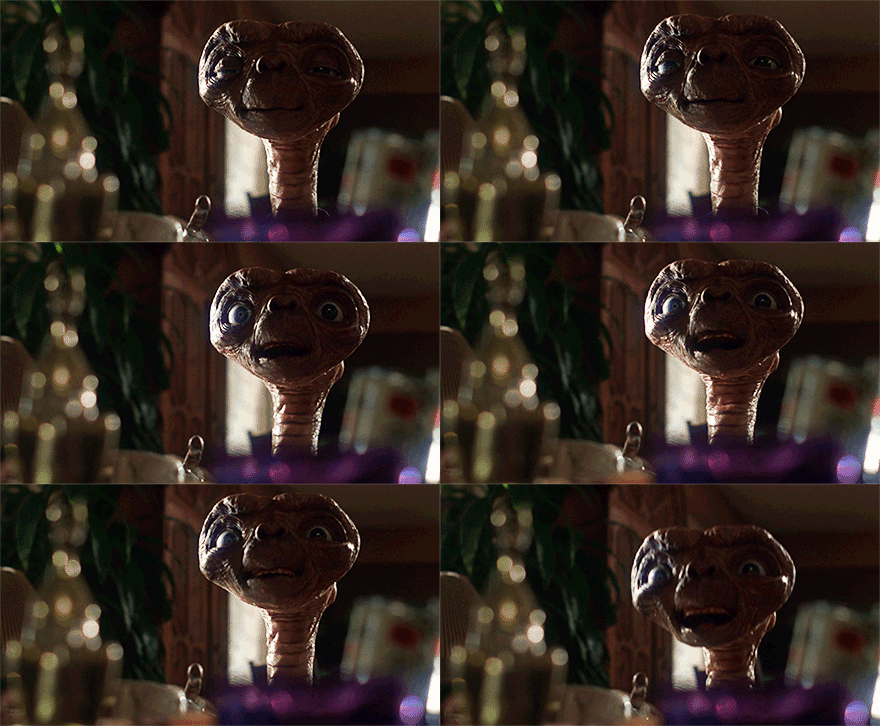
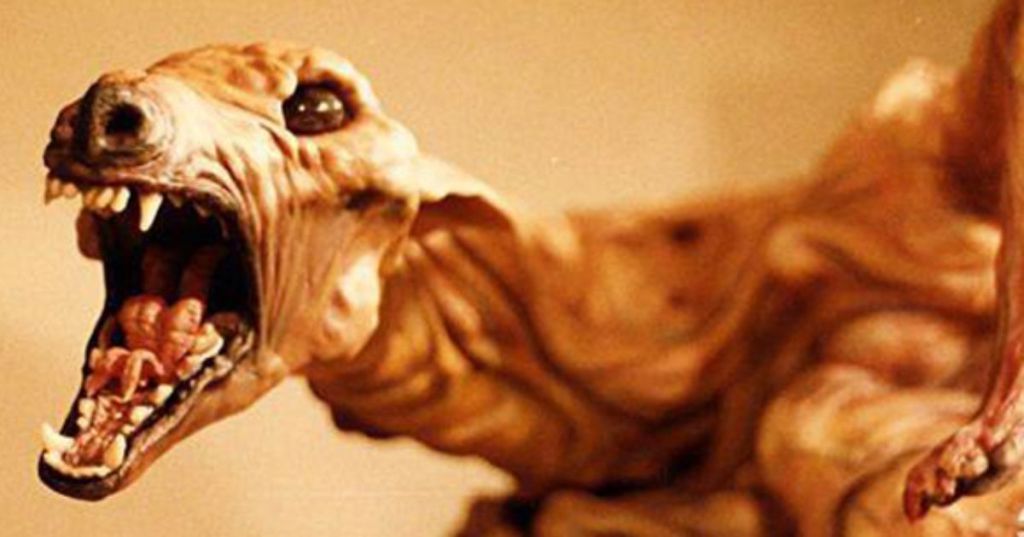
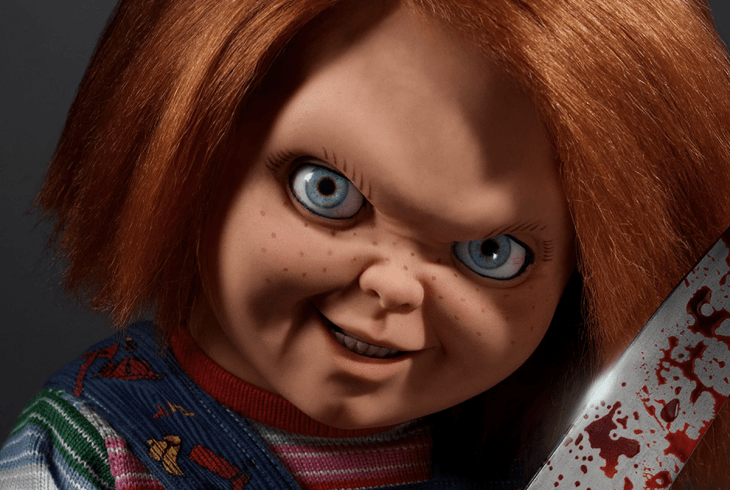
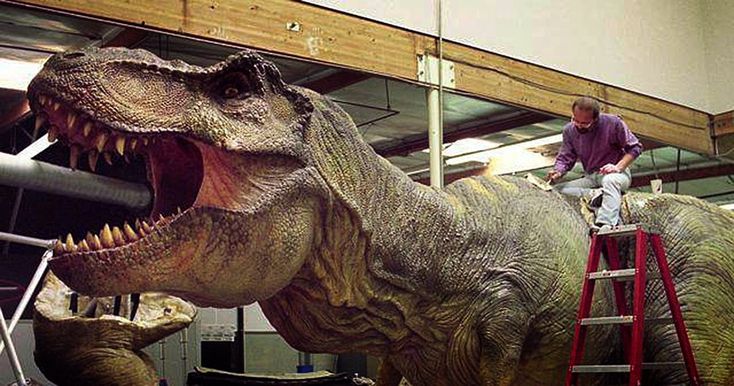
You were seeing impressive animatronic technology in the nineties as well from special effects companies like Jim Henson’s Creature Shop which worked on the sitcom Dinosaurs and the live-action Ninja Turtles films, but Spielberg’s Jurassic Park (1993) may have been the pinnacle of animatronic technology on the big screen. Stan Winston’s T-rex was a knockout and a big factor in why critics and audiences were so blown away by that film. Although that movie also broke ground with its impressive computer animation and that was where the industry was trending. CGI eventually became the dominant and more cheap way to bring movie creatures to life while animatronics became more rare on screen.
But animatronics are still very much in use at theme parks and public venues around the world. A famous example is the animatronic bands which had their heyday at kid-friendly restaurants like Chuck E. Cheese’s and Showbiz Pizza Place in the eighties, and while I have never been to a place like this as a kid so I don’t know how I would have received it, these kinds of establishments have often been the subject of ridicule among older audiences, and they have been satirized in a negative light in films like A Goofy Movie and Willy’s Wonderland, TV shows like The Simpsons, Dexter’s Laboratory and Regular Show and video games like Five Nights at Freddy’s. So I was pretty much indoctrinated to believe these shows were lame, and to be fair, they absolutely represent animatronic technology at their cheapest and least impressive. Not that I don’t love pizza and video games.

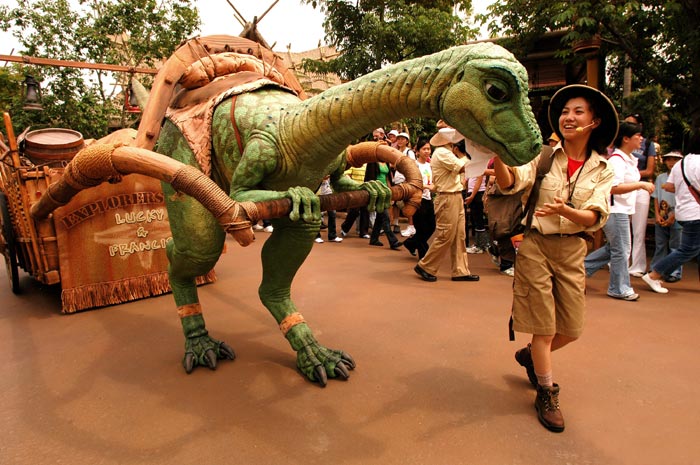
Meanwhile Disney’s Imagineers escaped the uncanny valley a while ago and were doing innovative things with animatronics. For example, Lucky the Dinosaur was Disney’s first free-roaming animatronic, the flower cart he’s pulling concealing the computer-operated power source that controls him. He made his debut at the Natural History Museum of Los Angeles in 2003 and later appeared at Disney California Adventure, Disney’s Animal Kingdom and Hong Kong Disneyland. Lucky could not only walk and talk but he could react and respond to guests.
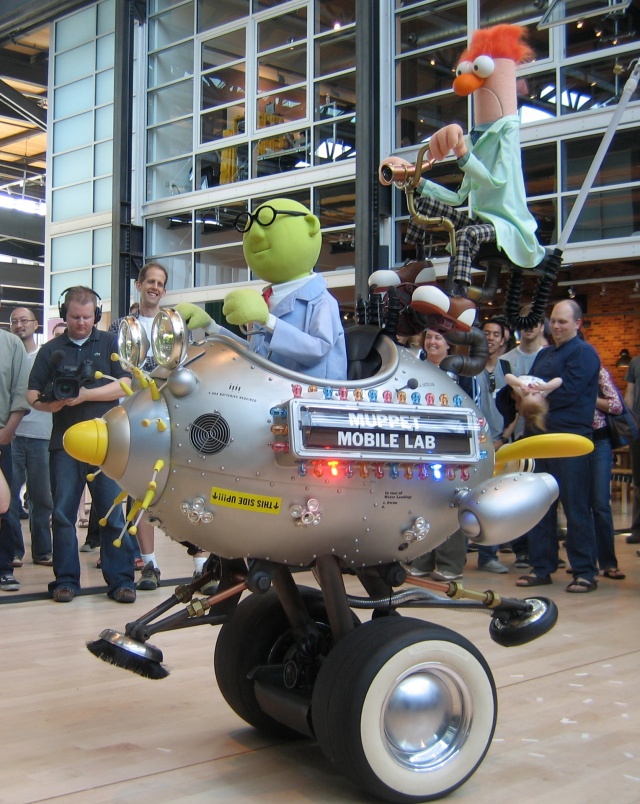
Disney’s Muppet Mobile Lab featuring Dr. Bunsen Honeydew and Beaker is similar in technology, and the idea of computer-operated puppets interacting with park guests eventually expanded into digital puppetry with attractions like Turtle Talk with Crush at Epcot and Stitch Encounter which can currently be seen at Tomorrowland in Tokyo Disneyland and Shanghai Disneyland. But many of Disney’s animatronics around the world are impressive and there are too many to discuss, although I covered a few of them in my blog in the past few years.

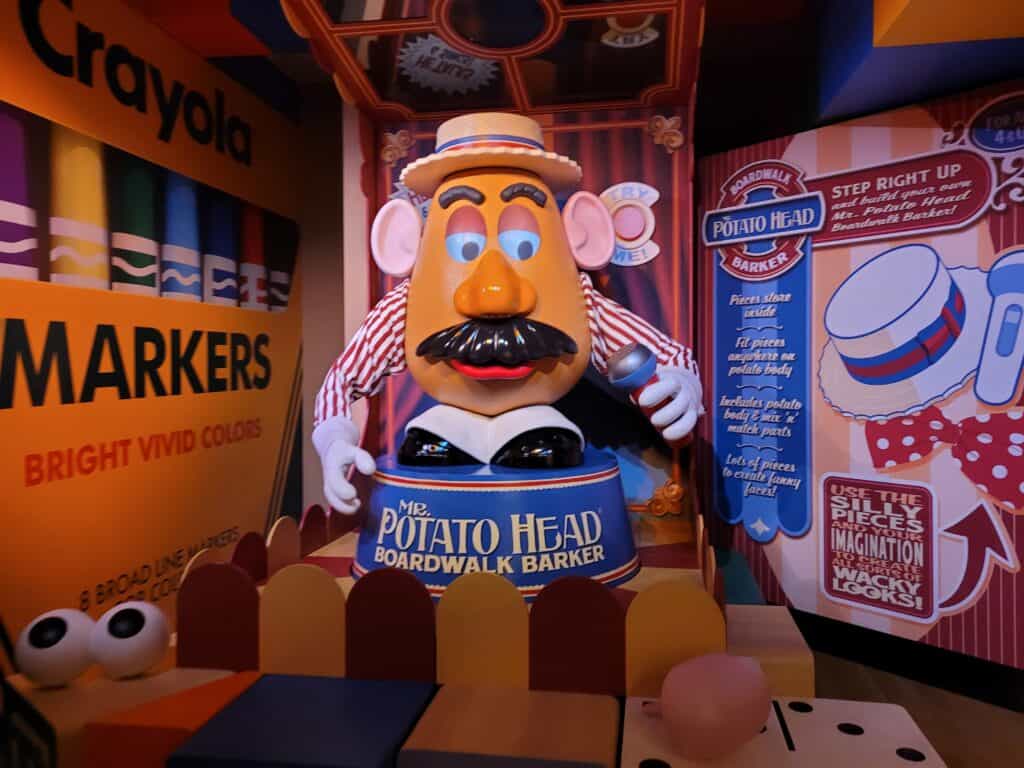

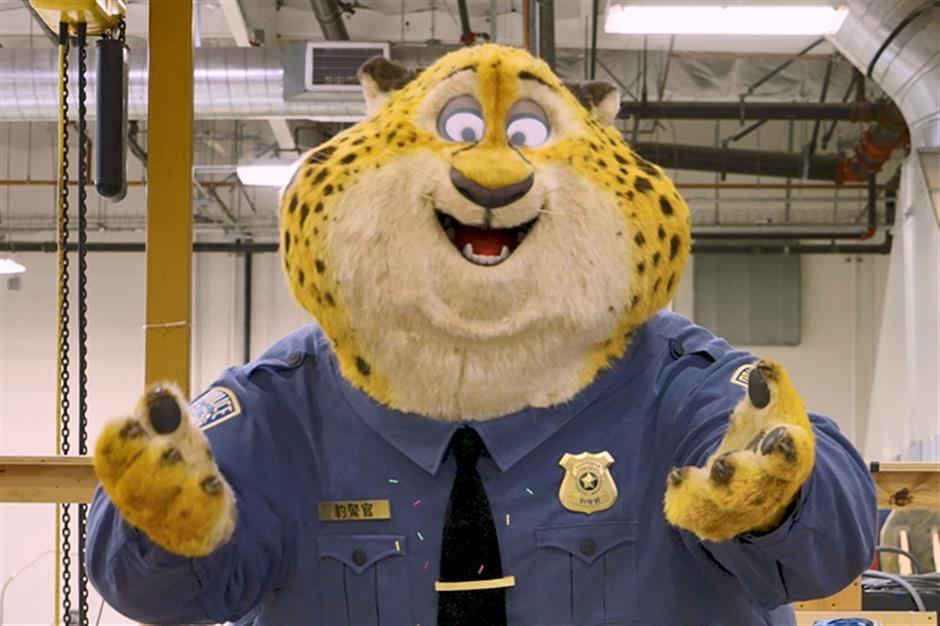

Theme park animatronics get more sophisticated by the year. Even battery-operated children’s toys like Teddy Ruxpin and Furby, and novelty props like Big Mouth Billy Bass have put impressive use of animatronic technology inside people’s homes. Outside the field of animatronics, the same technology is being used to advance robotics and artificial intelligence in a variety of ways beyond the entertainment industry, such as space travel, military transport and surgery. To this day I continue to be surprised by the mechanical engineering, sculpting, crafting and complex technological feats of these robots.
 Entertainment Junkie Blog