
I’ve been writing a lot of articles about Disney this year in celebration of their 100th anniversary just like I promised I would. And most of it has been dedicated to Disney’s past and filtered through my personal nostalgia for the company. But now I want to talk about something more modern: Disney’s history with streaming. Just to preface, I would love to be the kind of film fan who can buy all the DVDs I want, but I’m a millennial living in an apartment in California so I have neither the finances nor the space to collect a ton of movies. Which is why I appreciate the internet and streaming services so much. They have been the best resource for me since I first started going to the library to borrow DVDs, and when the streaming service Disney+ was announced, it was one of the most anticipated moments of my life. I was already a big fan of services like Netflix and Hulu, and having Disney’s film catalog in one convenient place in the same vein sounded like something made for me. How well Disney+ has been executed in the years since it first launched is another debate, but I have to say that having a place where I can watch most of my favorite Disney movies plus Star Wars, Marvel and The Simpsons all for $7.99 a month is a dream deal for a lifelong Disney geek like me.
So how did Disney get into the streaming business? Well they actually did launch a streaming app in the UK and the Philippines called DisneyLife back in 2015. It was short-lived but it probably became most famous as the place where the 2018 animated series Legend of the Three Caballeros made its worldwide debut before it became available on Disney+ a year later.


The origin of Disney+, however, begins with a company called BAMTech Media, founded in 2015 as the streaming arm of Major League Baseball’s New York City-based internet branch. While BAMTech would go on to team up with Discovery in 2016 to distribute sports in Europe for Eurosport, that same year Disney would acquire a 1/3 stake in the company for $1 billion, and in 2017 they would increase that stake to 3/4 and become BAMTech’s controlling owner. With that deal approved, Disney changed BAMTech’s name to Disney Streaming Services and started making plans to develop their own streaming sites, starting with ESPN+ and Disney+.
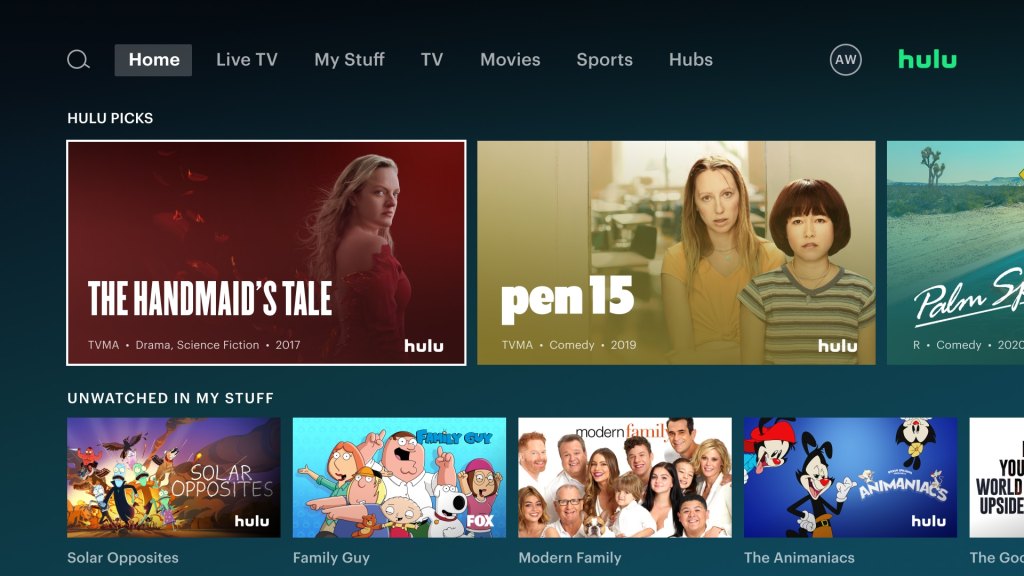
At the same time all this was happening, Rupert Murdoch planned to sell off the assets of 21st Century Fox, which included all the movies and TV shows distributed by 20th Century Fox since the studio was first founded in the 1930s, as well as the assets of FX and National Geographic (with the exclusion of the Fox Broadcasting Company, Fox News and the Fox Studio Lot, which would all remain under the Murdoch family’s newly formed Fox Corporation). Disney CEO Bob Iger had the idea to buy the Fox assets because he wanted as much content as possible for the launch of Disney+, so in 2019, Disney officially acquired the 20th Century Fox film and television library, which gave Disney the rights to such properties as The Simpsons, Avatar and the X-Men films. In addition, Disney was now the owner of cable network FX, Mumbai-based media distributor Star India and 20th Century Fox’s 30% stake in Hulu, a streaming service launched in 2007 which Disney used to share equally with Fox and Comcast but is now a majority stake-owner in with minority stake-owner Comcast. Plus Disney changed the name of 20th Century Fox to 20th Century Studios, which was the original name of the studio in 1933 before their merger with Fox Film two years later, although Disney reportedly made the change to distance themselves from the controversial and politically-charged Fox name.

A few months later, Disney+ officially launched as the primary streaming destination for the films and television shows of The Walt Disney Studios and Walt Disney Television, with hubs dedicated to Disney, Pixar, Marvel, Star Wars and National Geographic. The company that started out as BAMTech officially became Disney Streaming in 2021, while Disney would eventually buy out the NHL’s 10% ownership stake and the MLB’s remaining 15% stake and become the sole owner in 2022, by which point Disney owned ESPN+, Disney+ and Hulu, the combined total of which surpassed the number of Netflix subscribers by just a slim million.

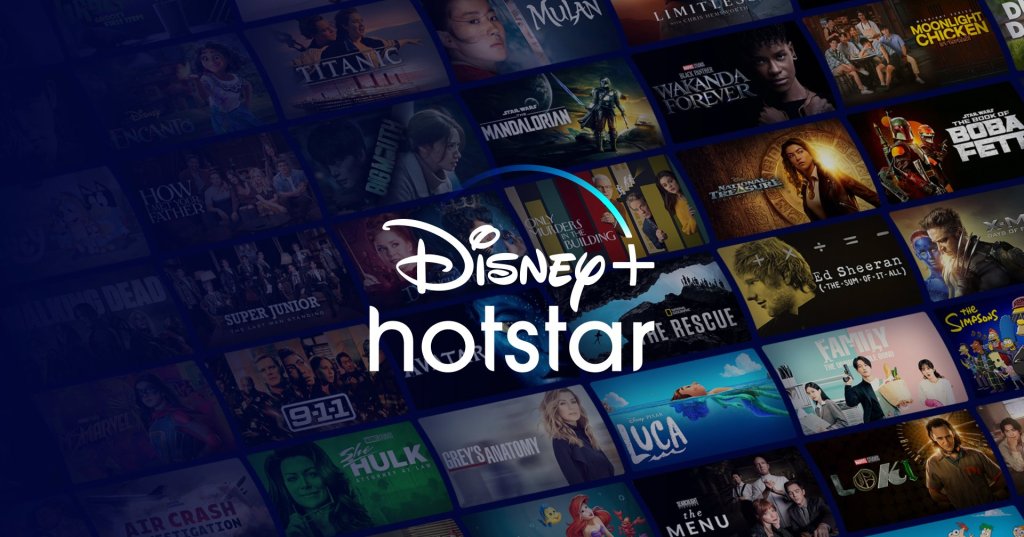
Plus with the acquisition of Star India, that company’s streaming service Hotstar was re-branded Disney+ Hotstar and now basically serves as the Indian version of Hulu, with its adult-oriented Disney content and third-party content from other companies.
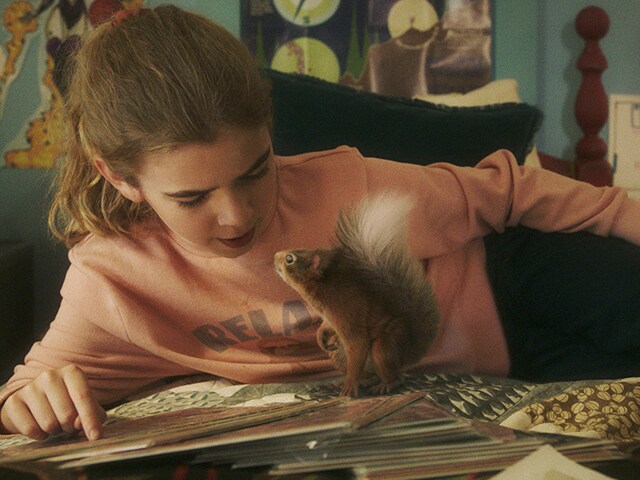
In addition to the vast library of films and shows that Disney now offered on these services, Disney+ would follow in the footsteps of Prime Video, Netflix and others by offering original movies and series. The first Disney+ original films released at launch were the live-action remake Lady and the Tramp and the Christmas comedy Noelle, but some of their best films include Togo (2019), Timmy Failure: Mistakes Were Made (2020, since removed from Disney+ following Iger’s unfortunate cutbacks), Stargirl (2020, since removed), Phineas and Ferb the Movie: Candace Against the Universe (2020), Godmothered (2020), Safety (2020), Flora & Ulysses (2021, since removed), Diary of a Wimpy Kid (2021), Better Nate Than Ever (2022, since removed), Sneakerella (2022), Chip ‘n Dale: Rescue Rangers (2022), Hollywood Stargirl (2022, since removed), Rise (2022), Chang Can Dunk (2023), Crater (2023, since removed) and World’s Best (2023).




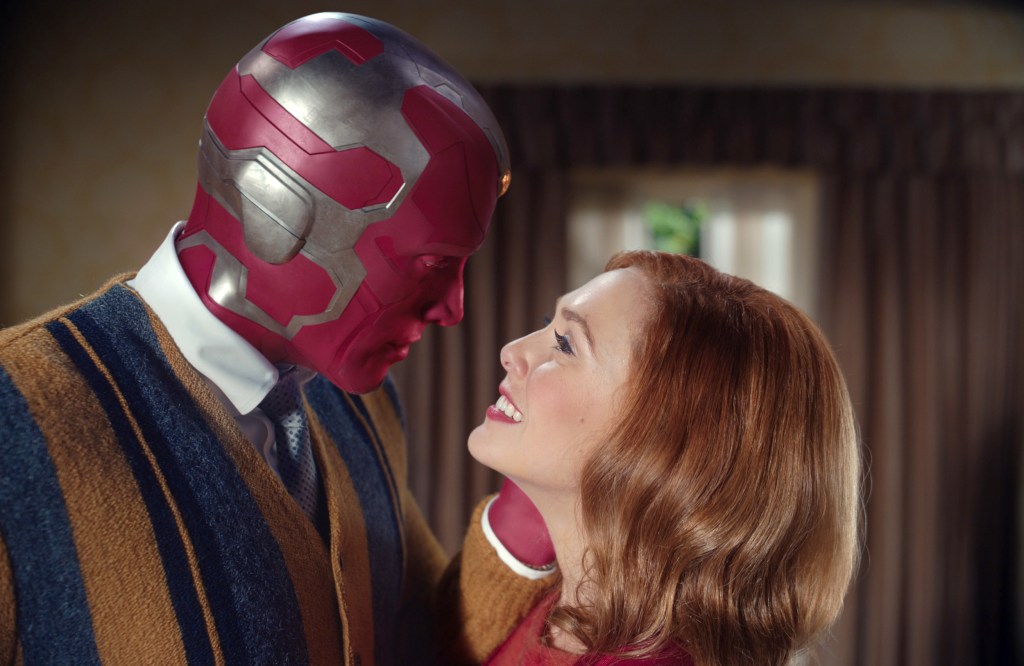
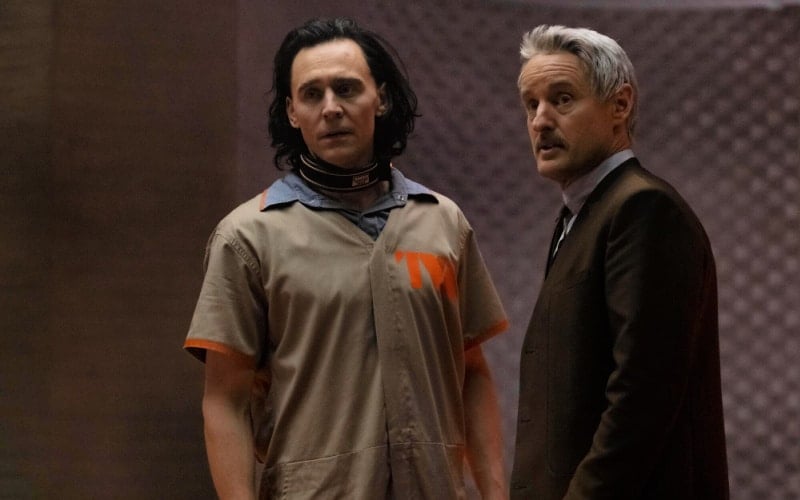
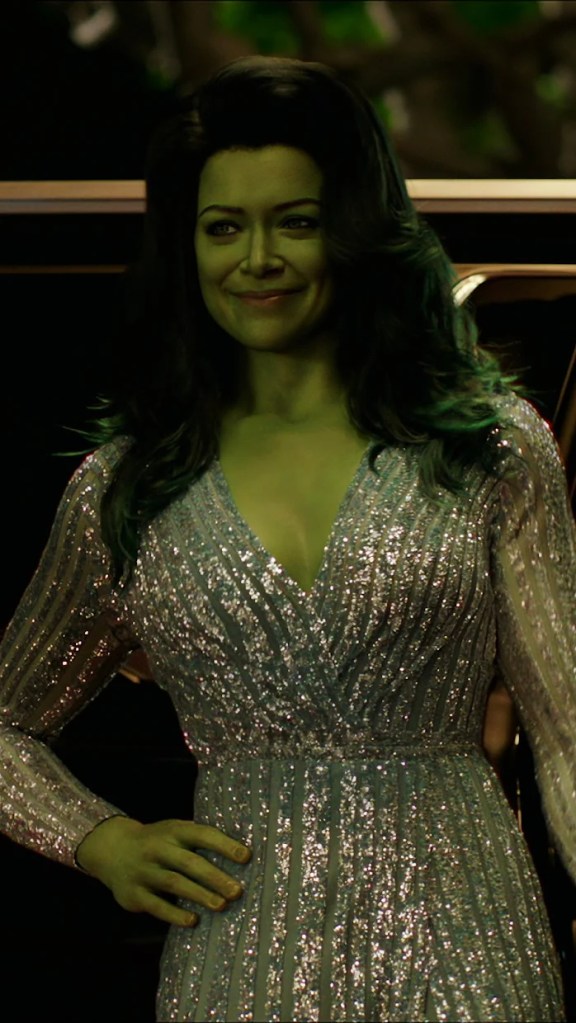
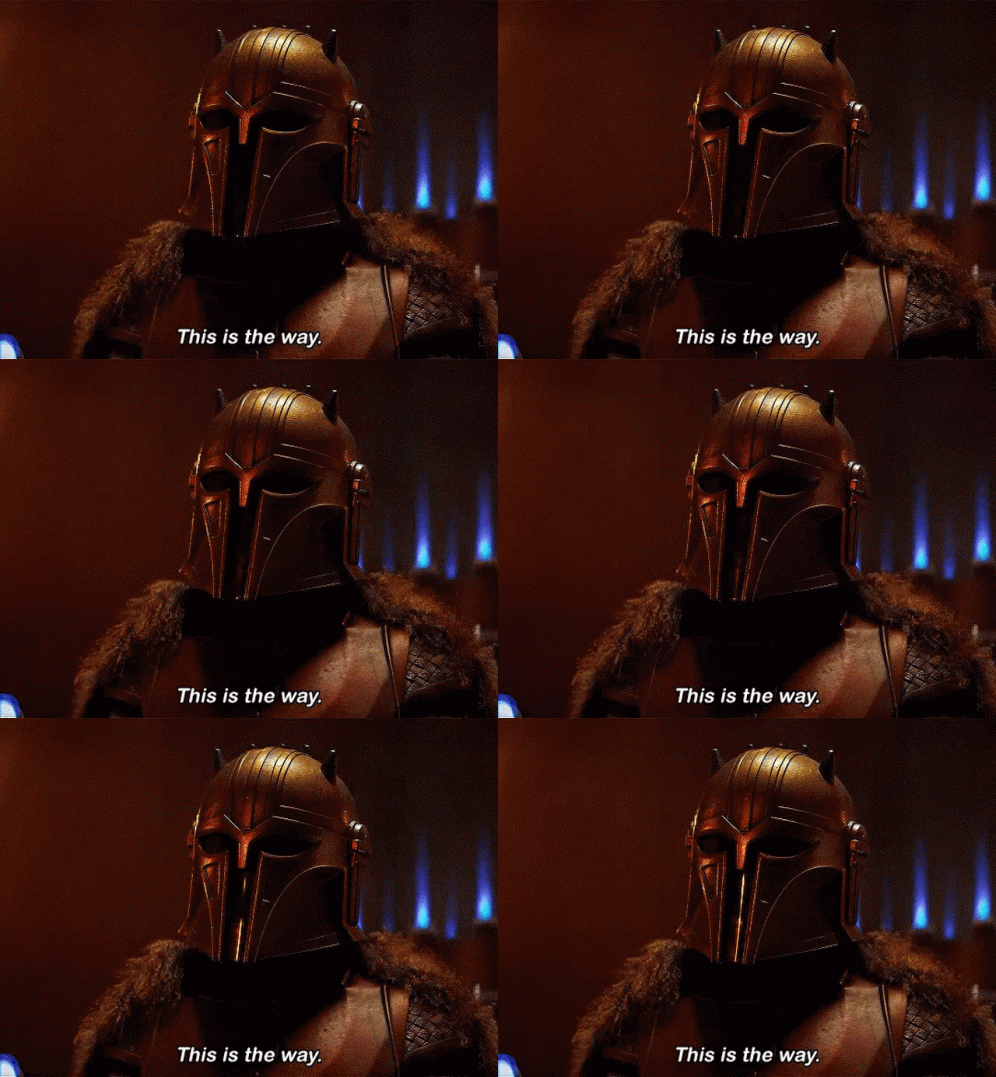
Meanwhile their original series offerings are even better. Some of the most entertaining and most acclaimed Disney+ shows include The Mandalorian (2019), High School Musical: The Musical: The Series (2019), The Diary of a Future President (2020, since removed), Earth to Ned (2020, since removed), The Wonderful World of Mickey Mouse (2020), WandaVision (2021), The Falcon and the Winter Soldier (2021), The Mighty Ducks: The Game Changers (2021, since removed), Star Wars: The Bad Batch (2021), Loki (2021), The Mysterious Benedict Society (2021, since removed), Monsters at Work (2021), Doogie Kameāloha, M.D. (2021), Star Wars: Visions (2021), Just Beyond (2021, since removed), Hawkeye (2021), Moon Knight (2022), Obi-Wan Kenobi (2022), Ms. Marvel (2022), She-Hulk: Attorney at Law (2022), Andor (2022), Willow (2022, since removed), The Crossover (2023), The Muppets Mayhem (2023), American Born Chinese (2023) and Ahsoka (2023). Even Walt Disney Animation Studios and Pixar made Disney+ exclusives, including Disney Animation’s Short Circuit, How to Stay at Home (starring Goofy), Olaf Presents, Baymax! and Zootopia+, and Pixar’s Forky Asks a Question, Dug Days and Cars on the Road.





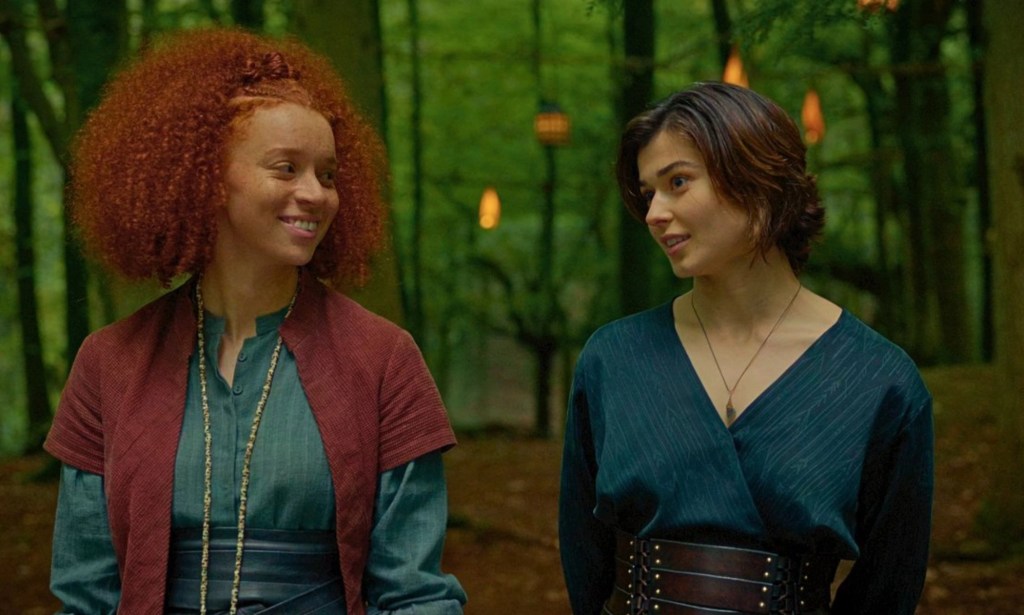
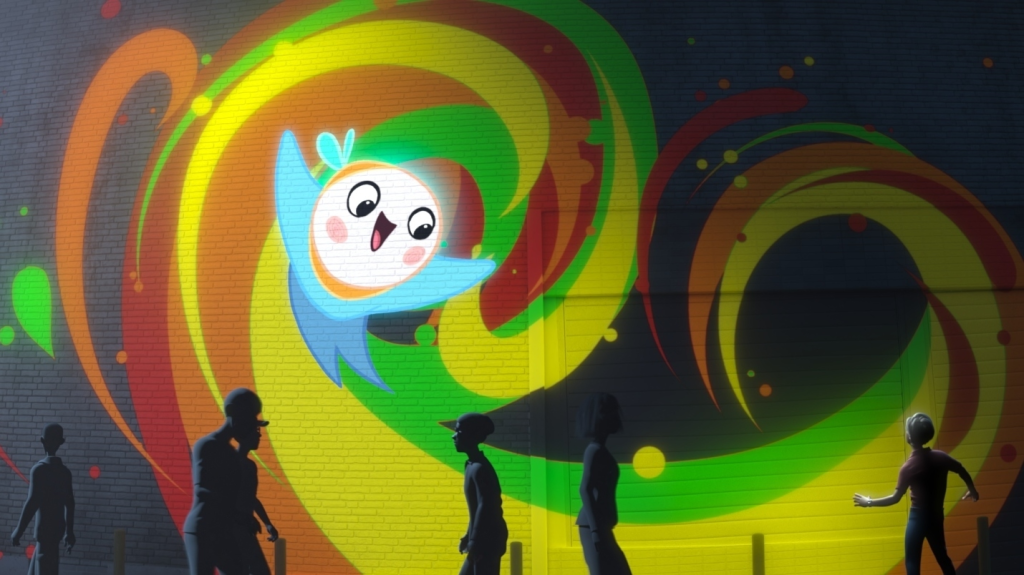
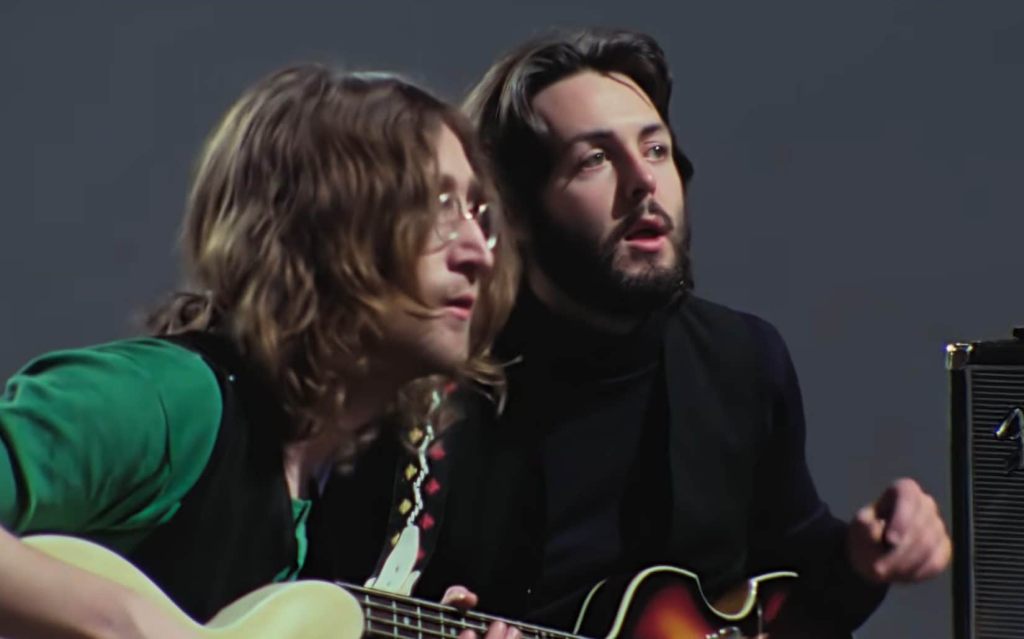
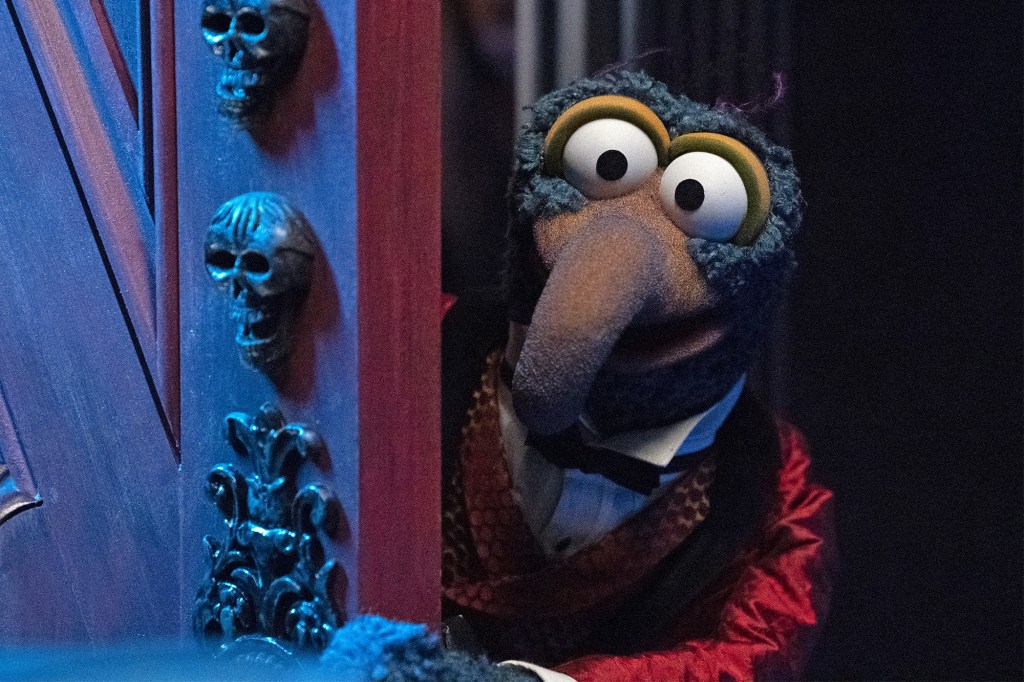
Disney+ also occasionally premieres specials like The Lego Star Wars Holiday Special (2020), Muppets Haunted Mansion (2021), Marvel’s Werewolf by Night (2022), Marvel’s Guardians of the Galaxy Holiday Special (2022) and Lego Disney Princess: The Castle Quest (2023) plus various Simpsons shorts. They also made waves premiering the first filmed production of Lin-Manuel Miranda’s Tony-winning stage musical Hamilton, Peter Jackson’s eye-opening Beatles documentary series The Beatles: Get Back and several documentaries and concert films centered on musicians such as Beyoncé, Taylor Swift, Billie Eilish, Olivia Rodrigo, Miley Cyrus and U2.

One unexpected way that Disney decided to use Disney+ during the pandemic, when movie theaters were being frequented less, was as a distribution avenue for some of the films they were planning to release in theaters. The Pixar movies Soul, Luca and Turning Red were released in some theaters internationally, but they made their American debut on Disney+, while some films like 2020’s Mulan and 2021’s Raya and the Last Dragon were released in theaters as well as on Disney+ for $30 premium access. An interesting experiment but one I hope we don’t have to endure again because I have mixed feelings about that solution. Also interesting, Encanto, a movie that was released in the middle of the pandemic, didn’t make a ton of money in theaters, but it was practically a pop culture phenomenon when it was released on Disney+, and while Pixar’s Lightyear and Disney’s Strange World were two of those studios’ biggest box office bombs when they came out in 2022, the worldwide box office success of Pixar’s Elemental is a promising sign that theaters and streaming can coexist in this industry. Because while I love the convenience of streaming, I would hate for it to be the only way to consume content. You know how I just listed a bunch of Disney+ films and shows that have since been removed from the service? That is the prime example of the downside of streaming (the Disney+ series The Mandalorian, WandaVision and Loki were recently announced to be coming to home video soon and I hope all the removed content eventually gets released on home video). But what happened with Encanto proves that there’s a positive side to streaming as well. As someone who loves streaming, home video and theaters, my hope is that all these avenues for distribution can thrive without eating each other. More so than my desire to watch The Lion King or Finding Nemo at the push of a button whenever I want, that is my biggest dream.
 Entertainment Junkie Blog