

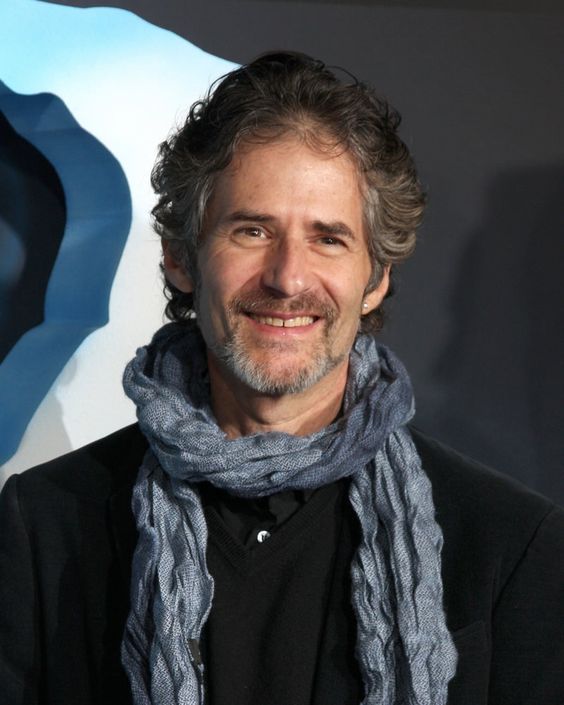
James Horner is a composer recognized and beloved by film fans around the world. He has composed scores for some of the most well-known films while collaborating with such filmmakers as Roger Corman, Ron Howard, James Cameron, Don Bluth, Joe Johnston, Mel Gibson, Wolfgang Petersen and Terrence Malick. And while he has never scored a film directed by Steven Spielberg, he has composed many scores for Spielberg’s production company Amblin.
Born in Los Angeles, California in 1953, James Horner was the autistic son of Jewish immigrants and a musician from an early age, playing the piano and violin and even studying at the Royal College of Music in London, afterwards returning to America to attend the University of Southern California where he received his bachelor’s degree, later receiving a master’s degree and pursuing a doctorate at UCLA (University of California, Los Angeles). In addition to music, Horner was a pilot and an airplane owner with a passion for flying, and if he didn’t end up composing scores, flying planes likely would have been his solo passion.
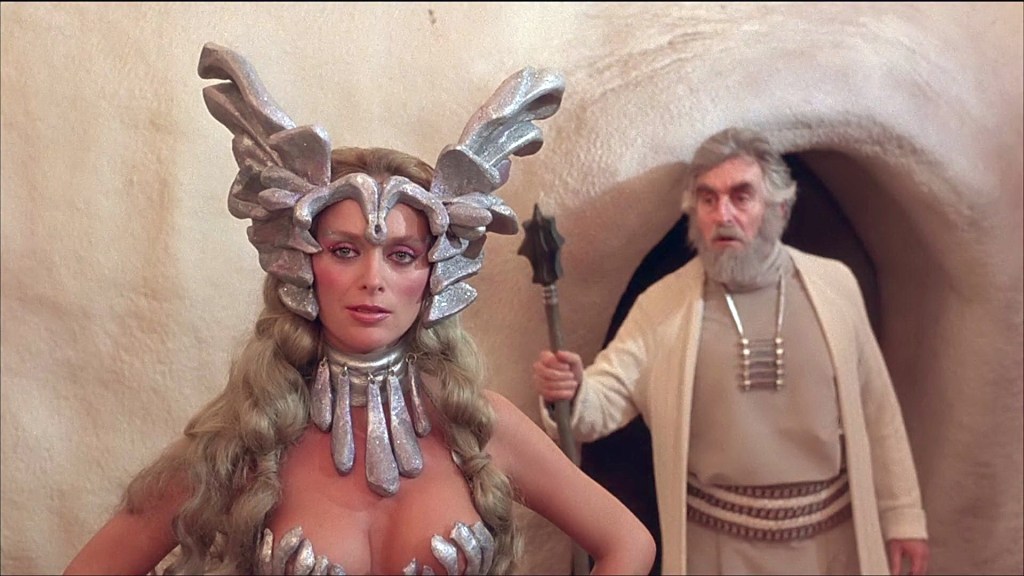
During the 1970s, Horner was given scoring assignments for the American Film Institute and decided to pursue film composing shortly after. Horner got his start composing for the small-scale 1979 crime drama The Lady in Red for director Lewis Teague and producer Julie Corman (Roger Corman’s wife) over at New World Pictures (the indie studio founded by Roger and his brother Gene Corman), later following up that assignment with New World’s sci-fi B-movies Humanoids from the Deep (1980) and Battle Beyond the Stars (1980).


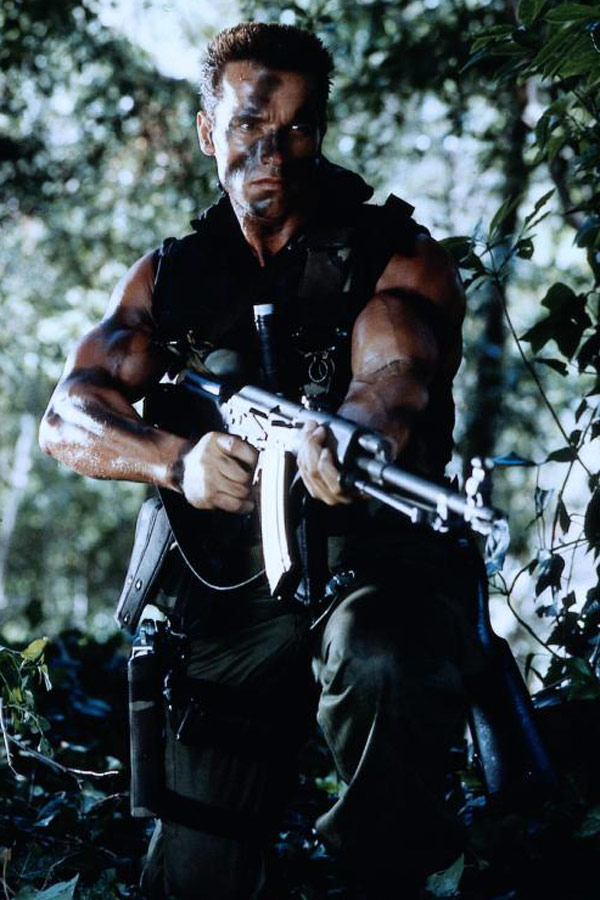
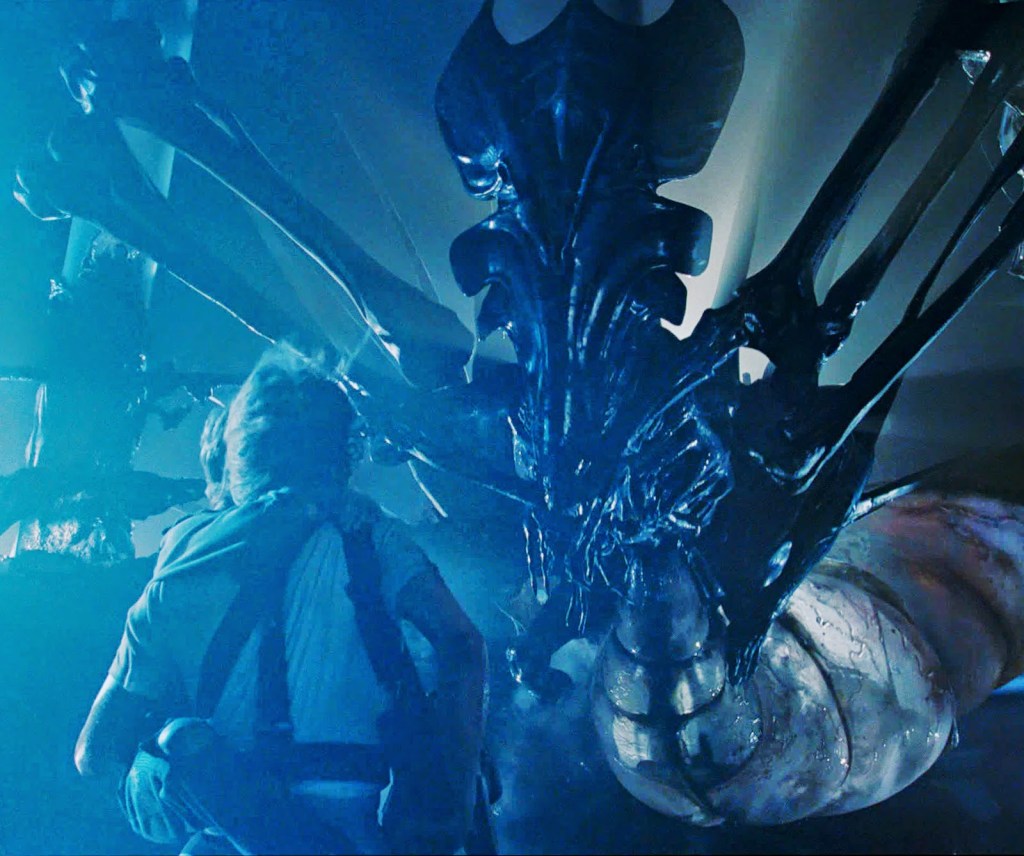
Horner eventually got his big break with Star Trek II: The Wrath of Khan (1982), replacing the now too-expensive Jerry Goldsmith who composed Star Trek: The Motion Picture, although after working on Star Trek II, Horner became a highly sought-after film composer as well. After this he composed the score for Eddie Murphy’s breakout film 48 Hrs. (1982) as well as Star Trek III: The Search for Spock (1984), Ron Howard’s Cocoon (1985), the Arnold Schwarzenegger action film Commando (1985) and James Cameron’s Aliens (1986) for which Horner received his first Oscar nomination.

Horner’s first film score for Amblin as well as his first score for an animated film was Don Bluth’s An American Tail (1986), for which Horner would receive another Oscar nomination and would also co-write the song “Somewhere Out There.” Co-writing songs for the movies he scored would be something Horner would end up doing on the regular.
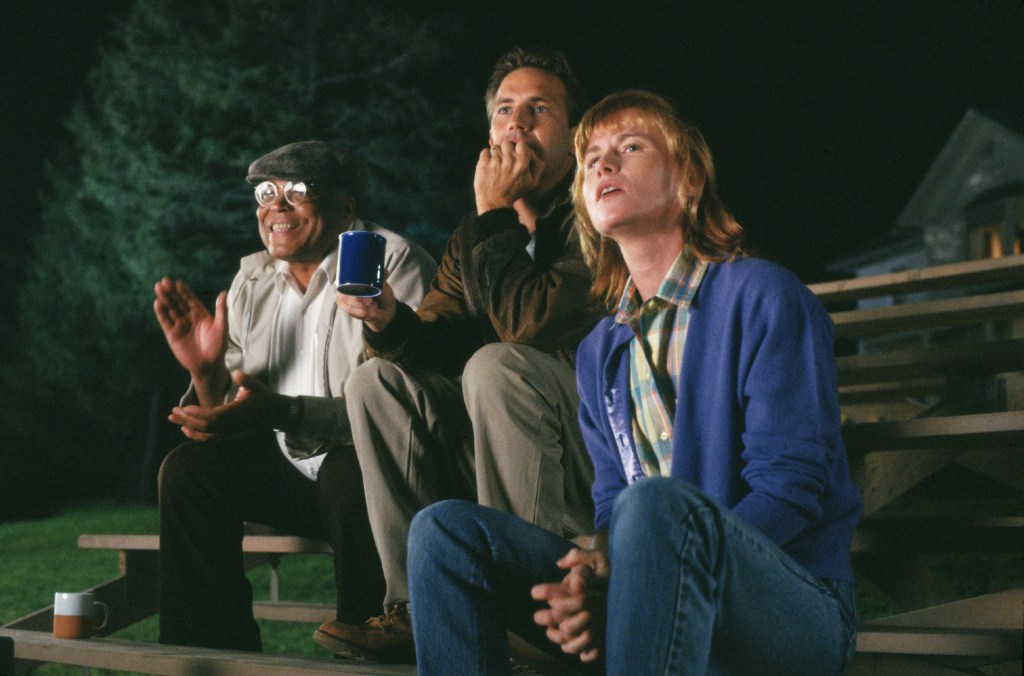
After composing the score for Disney and Lucasfilm’s 3D short film Captain EO (1986) for Disney theme parks, Horner would continue working with Lucasfilm composing the scores for Ron Howard’s Willow and Don Bluth’s The Land Before Time in 1988 (as well as the latter film’s song “If We Hold On Together”) and he would go on to compose the Oscar-nominated score for Field of Dreams (1989) as well as Glory (1989), Honey, I Shrunk the Kids (1989), The Rocketeer (1991), Patriot Games (1992), Clear and Present Danger (1994), Braveheart (1995), Casper (1995), Apollo 13 (1995), Jumanji (1995) and Balto (1995) for which he co-wrote the song “Reach for the Light.” By this point Horner was known for his orchestral scores for high-concept genre films throughout the nineties. That decade Horner received Oscar nominations for his scores for Braveheart and Apollo 13, but the first time he won an Oscar was when he composed the score for James Cameron’s Titanic (1997). As usual Horner co-wrote that film’s signature song “My Heart Will Go On” as well.



Other films James Horner composed the scores for following Titanic include Deep Impact (1998), The Mask of Zorro (1998), Mighty Joe Young (1998), The Perfect Storm (2000), How the Grinch Stole Christmas (2000), A Beautiful Mind (2001) which received an Oscar nomination, House of Sand and Fog (2003), Troy (2004), The Legend of Zorro (2005), The New World (2005), The Spiderwick Chronicles (2008), Avatar (2009) which also received an Oscar nomination, and The Amazing Spider-Man (2012), in addition to co-writing the songs “Yours Forever” for The Perfect Storm, “Where Are You, Christmas?” for How the Grinch Stole Christmas, “All Love Can Be” for A Beautiful Mind, “Remember” for Troy and “I See You” for Avatar. In addition to these films, Horner also composed the 2006-11 theme song for the CBS Evening News during Katie Couric’s debut as an anchor, with Horner providing several compositions to match the mood of the night’s opening story.
Unfortunately James Horner’s life was cut short in 2015 when he died in a solo aircraft accident in Los Padres National Forest in California, later discovered to be due to Horner’s inability to maintain clearance of terrain during his low-level flight path. His final three posthumous film scores were for the boxing drama Southpaw (2015), biographical survival drama The 33 (2015) based on the 2010 Chilean mining accident, and Antoine Fuqua’s 2016 remake of The Magnificent Seven.
One of the hallmarks of Horner’s film scores was the way he borrowed from pre-existing music and made it his own, such as the influence of Aaron Copland in Field of Dreams and the influence of Raymond Scott’s “Powerhouse B” in Honey, I Shrunk the Kids. Horner did this often enough that some critics dispute his creativity, but regardless, he was excellent at using music to set the mood for his films, which is what was most important to audiences and filmmakers. Around the start of Horner’s career he was big on sci-fi, fantasy and genre films with ambitious stories that families could enjoy, and as someone who was born in the eighties, grew up in the nineties and was raised mostly on sci-fi, fantasy and family-friendly genre films, I could not escape the music of James Horner, and now his music is practically synonymous with ’90s cinema in my mind.
 Entertainment Junkie Blog