

The X-Men have a unique history in the pantheon of Marvel superheroes. Like many of Marvel’s most popular characters, they were created by Stan Lee and Jack Kirby in the sixties, but unlike Spider-Man who has been a consistently popular character ever since he was introduced, the X-Men were not a huge hit with readers initially. They would not earn the popularity they currently have until much later.
After the successful introductions of superheroes like the Fantastic Four, Spider-Man, the Hulk and Iron Man in the early sixties, Stan Lee was beginning to run out of ways to give characters super powers, so he came up with the clever idea for a team of mutants who were born with superpowers. Although Marvel publisher Martin Goodman rejected the idea of naming the comic “The Mutants” out of concern that readers would not know what a mutant is. So the series was called “The X-Men,” focusing on a team of mutant humans who possess a genetic trait called the X-Gene, led by the group’s founder Charles Xavier aka Professor X, a powerful telepath who runs a school for mutant children out of his mansion which secretly houses the X-Men’s headquarters.
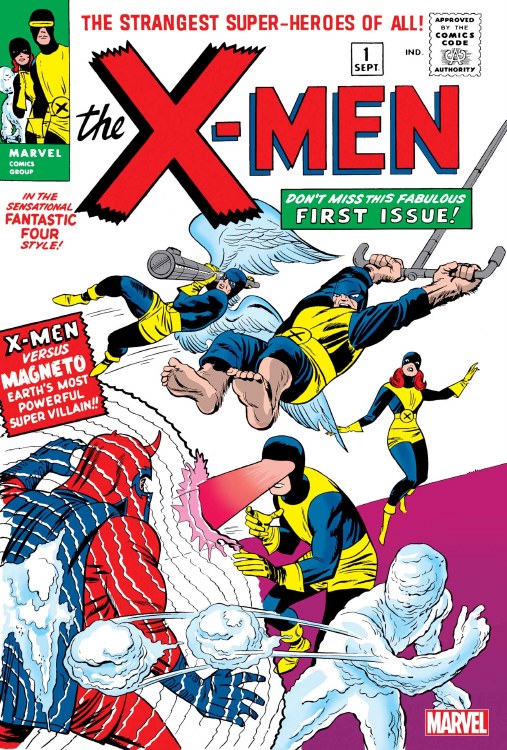

The initial team, who made their debut in The X-Men # 1 in 1963, consisted of the laser beam-shooting Cyclops, the telepathic Marvel Girl (aka Jean Grey), the ferocious-looking but highly intelligent Beast, the flying Angel and the freezing Iceman. The team’s most prevalent archenemy was the mutant Magneto aka Erik Lensherr, who used to be Charles Xavier’s old friend before their ideologies pushed them apart (Magneto wants to rule over mankind but Professor X wants to coexist with them). Magneto has the power to telekinetically bend metal and he has formed his own mutant team known as the Brotherhood of Mutants, which has had an ever-changing roster through the years just like the X-Men, although it initially consisted of the illusion-creating Mastermind, the amphibious and athletically gifted Toad, super speedy Quicksilver and powerful sorceress Scarlet Witch. Other enemies the X-Men faced during the comic’s initial run include Blob, Juggernaut and the Sentinels, an army of mutant-hunting robots created by bigoted military scientist Bolivar Trask.


The X-Men’s run in the sixties was not as successful or pop culture-defining as Marvel’s other heroes, and they were even considered B-list Marvel characters at that time. Writer Roy Thomas and artist Neal Adams attempted to revitalize the series in 1969 while making regular characters out of Cyclops’ brother Havok and the magnetically charged Polaris, but that did little to help lift sales and the series was eventually cancelled in 1970. But the series came back in 1975 when writer Len Wein and artist Dave Cockrum renewed interest in the characters with their comic Giant-Size X-Men # 1, featuring a story called “Second Genesis” wherein Professor X recruits a new team of X-Men to rescue the old X-Men team, with the new international team including old characters like Sunfire, a Japanese mutant who first appeared in X-Men # 64 (1970) and has the ability to fly and generate plasma blasts; Banshee, an Irish mutant who first appeared back in X-Men # 28 (1967) and possesses a sonic scream; and Wolverine, a Canadian mutant who first made his Marvel debut as an adversary to the Incredible Hulk in 1974 and has animalistic senses, retractable metal claws and a healing factor that slows down his aging. New X-Men included Storm, the daughter of African royalty who can control the weather; Nightcrawler, a Bavarian teleporter with a devilish physique; Colossus, a super strong and metal-bodied Russian; and Thunderbird, a military-trained Apache mutant with superhuman strength, speed and stamina.

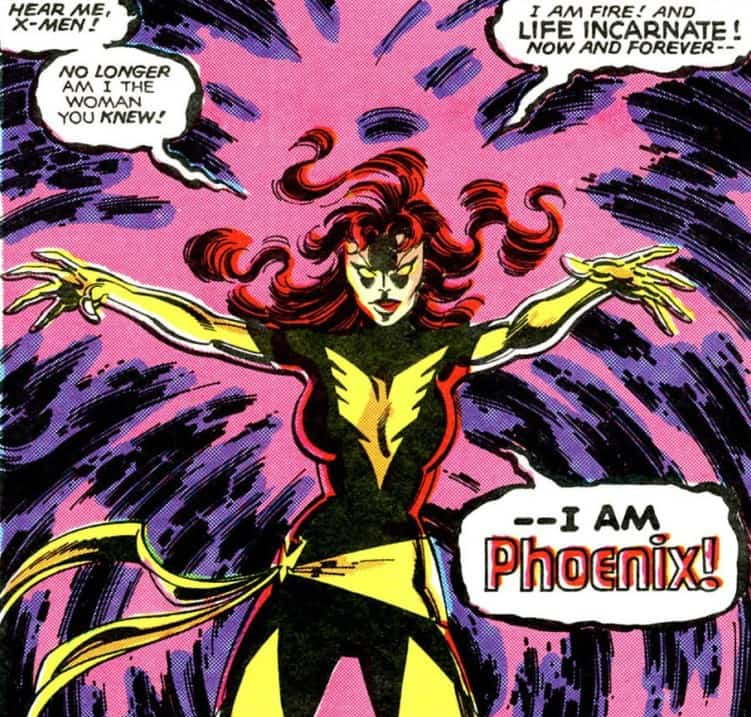
The popularity of this story led to the continuation of the X-Men series with writer Chris Claremont and artist John Byrne taking over and helping revitalize its popularity worldwide. Claremont’s long and critically-acclaimed run on the X-Men comics introduced the most popular X-Men stories, such as “The Dark Phoenix Saga” (1980) and “Days of Future Past” (1981) as well as introducing and/or popularizing such fan-favorite X-Men characters as Psylocke, Kitty Pryde, Emma Frost, Dazzler, Rogue, Forge, Jubilee, Gambit and Bishop as well as villains like Sabretooth, Mystique, Mojo, Apocalypse and Mister Sinister and other important characters like Scottish geneticist Moira MacTaggert, empress of the Shi’ar Empire Lilandra Neramani, the team of space pirates known as the Starjammers, the Canadian mutant team Alpha Flight, the secret society known as the Hellfire Club and the underground society of mutant outcasts known as the Morlocks.

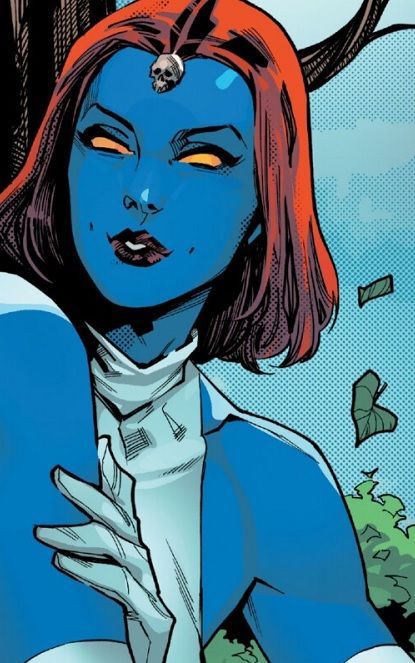
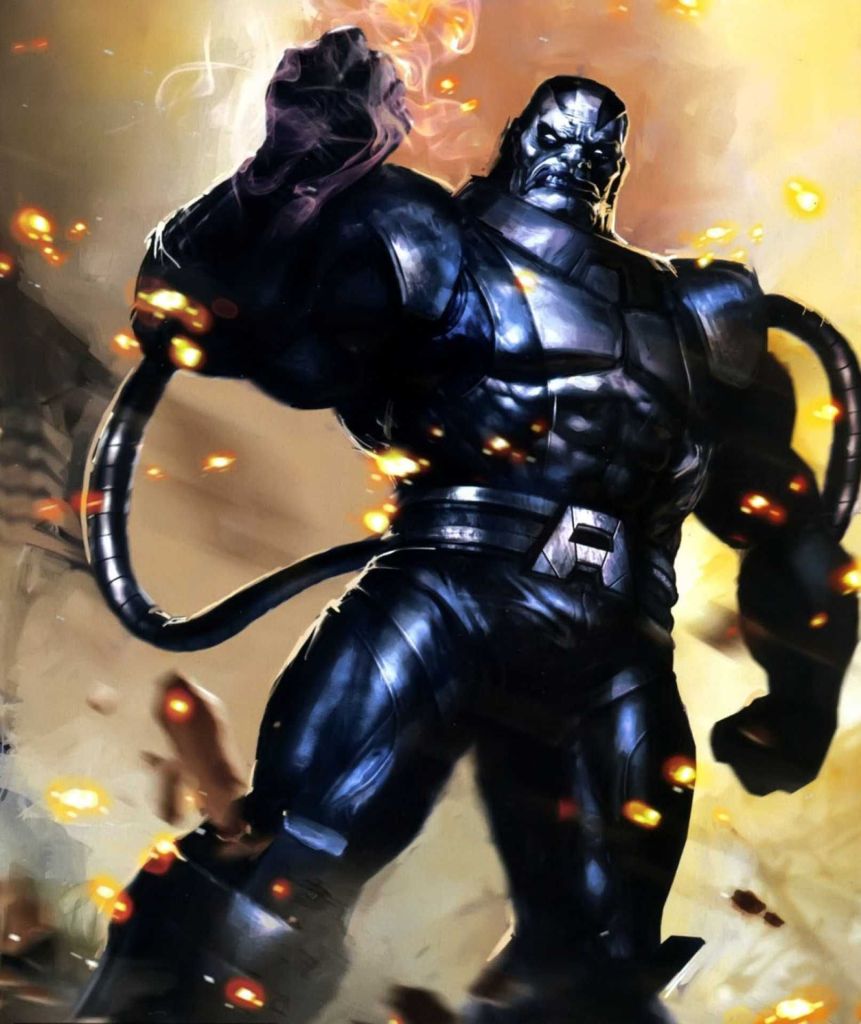
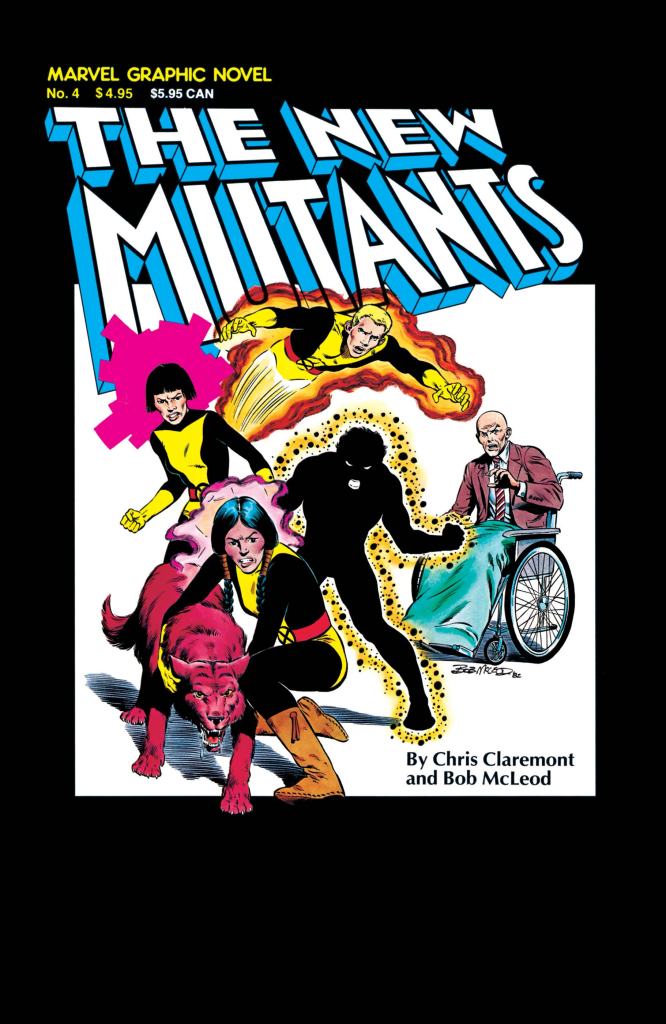
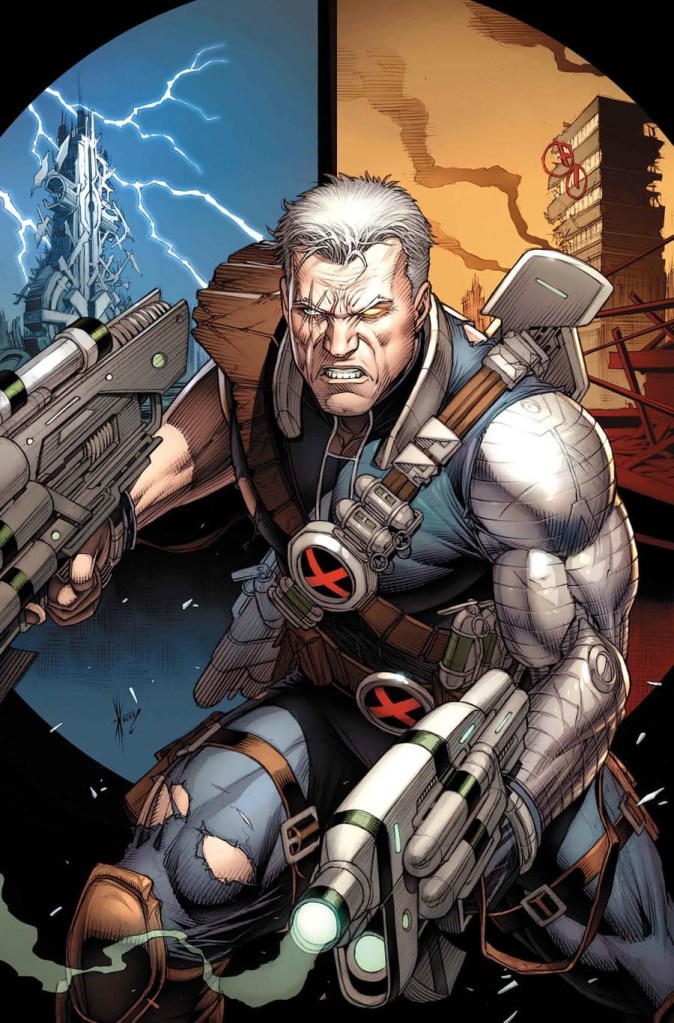
The series, known as Uncanny X-Men at this time, was Marvel’s most popular comic book in the eighties, and its huge popularity led to many spin-offs, including The New Mutants created by Chris Claremont and Bob McLeod in 1982, focusing on a junior class of mutants and blending teen drama with superhero action, with the team’s original members consisting of Mirage, Cannonball, Karma, Sunspot and Wolfsbane. This was followed by a solo series for hugely popular character Wolverine and an Alpha Flight spin-off in 1982, X-Factor in 1986, and the Europe-based Excalibur in 1987. Plus in the nineties, writer and artist Rob Liefeld conceived of a team of mutants called X-Force, originally a revamped version of the New Mutants with the techno-organic warrior Cable serving as their leader. Many of these spin-offs have become popular in their own right and in addition to the extremely popular Cable these spin-offs have introduced now-classic Marvel characters like Apocalypse, Lady Deathstrike, Deadpool, Domino, Copycat and the superhero team Big Hero 6. Many popular X-Men characters would also receive solo titles, including Cable, Deadpool, Gambit and Sabretooth. There are way too many spin-offs for me to mention all of them but Marvel continues to make them to this day, making X-Men one of the comic book industry’s most prolific hits.



X-Men has also had highly successful screen adaptations which have become just as beloved by television viewers and filmgoers as the comics.
The first time the X-Men made their television debut was in 1966 on the animated series The Marvel Super Heroes, featuring Professor X and the original team lineup from X-Men # 1. And the X-Men and several of its team members have appeared in the animated series Spider-Man and His Amazing Friends in the early eighties as well, but they first got their own series when X-Men: The Animated Series aired on Fox Kids for five seasons from 1992 to 1997. The series became a fan favorite, receiving a lot of praise for staying true to the comics and maintaining much of Chris Claremont’s humor and drama. Disney+ is even planning to revive it in the near future with X-Men ’97, which will, as the name suggests, pick up where the last season left off. Other television series based on X-Men included X-Men: Evolution (2000-03) on Kids’ WB, Wolverine and the X-Men (2009) on Nicktoons, the anime series X-Men (2011) by Madhouse, a live-action FX series from Fargo creator Noah Hawley called Legion (2017-19) and the FOX series The Gifted (2017-19) created by Matt Nix (Burn Notice).

Also highly successful was the X-Men’s live-action leap to the silver screen, beginning with Bryan Singer’s X-Men (2000) starring Patrick Stewart as Professor X, Ian McKellen as Magneto, Hugh Jackman as Wolverine and also starring Halle Berry, Rebecca Romijn, Anna Paquin, James Marsden and Famke Janssen. It not only received positive reviews and box office success but it was Marvel’s first major success at the movies and it helped kick off the comic book company’s foray into Hollywood alongside Blade (1998) and Sam Raimi’s Spider-Man (2002).

The film’s success led to the sequels X2 (2003) and X-Men: The Last Stand (2006), a series of prequels featuring younger versions of the characters beginning with Matthew Vaughn’s X-Men: First Class (2011) and continuing with the time travel crossover film X-Men: Days of Future Past (2014), X-Men: Apocalypse (2016) and Dark Phoenix (2019), a series of spin-off films centered on Hugh Jackman’s Wolverine including X-Men Origins: Wolverine (2009) focusing on the character’s early days as a lab experiment, James Mangold’s The Wolverine (2013) which is set in Japan, and James Mangold’s Logan (2017) a Western-influenced story that focuses on an old and tired Wolverine. Not to mention the spin-offs Deadpool (2016), Deadpool 2 (2018) and The New Mutants (2020). X-Men characters are also expected to be included in the Marvel Cinematic Universe at some point (actually some already have been) but only Kevin Feige and his team at Marvel Studios know the details of that.
One of the reasons why the X-Men series has remained so popular for so many years is because it has often told deeply relatable stories with social commentary about prejudice and discrimination, with many people in the Marvel Universe seeing mutants as a threat even though there are many innocent mutants who don’t deserve such hatred. This has led to many readers seeing the way mutants are treated in these stories as a correlation with the civil rights issues of marginalized communities in the real world, which was Stan Lee’s intention when he created the comic in the sixties during America’s own civil rights movement. The fact that things like discrimination, racism and homophobia are still very real issues in society to this day is a huge contributing factor to X-Men’s evergreen fanbase and ongoing resonance in pop culture. Even Magneto is later revealed to have been a Holocaust survivor, serving as the basis for his merciless pursuit to supplant mutants (or homo superiors, as Magneto calls them) as the dominant species on Earth. An aspect of the character’s personality fleshed out by Chris Claremont that has caused some to compare Professor X and Magneto’s differences in the pursuit of civil rights to those of Malcolm X and Martin Luther King, Jr. For a series that started out as B-list, the X-Men series really has risen like a phoenix as one of Marvel’s smartest and most relevant.
 Entertainment Junkie Blog
I Think Phoebe Dynevor as Jean Grey & Tom Blyth as Cyclops/Scott Summers In MCU X-Men
LikeLike
I Think Kiki Layne would be great choice for Ororo Munroe/Storm In MCU
LikeLike
I Think Eve Hewson would be great choice as Rogue In MCU
LikeLike