
When gamers hear the name Square Enix they are likely to associate it with some of the greatest role-playing video games ever made, which is a reputation the company definitely deserves, but as a child of the eighties and nineties I still vividly remember the days before Square Enix existed when they were still two separate game companies called Square and Enix. They were both highly successful companies responsible for the creation of RPGs that would go on to become classics, so when I first learned they would merge, it didn’t really phase me. Based on their similar trajectories and their genre preferences, in an entertainment landscape where studio crossovers are just as common as superhero crossovers, this was the least surprising. Although the two companies have such interesting individual histories, I thought I would write about the origins of each right up to the moment when they merged.

Enix was a Japanese company originally founded in 1975 by architect-turned-businessman Yasuhiro Fukushima as a real estate tabloid company called Eidansha Boshu Service Center. It eventually spawned a full-on real estate and brokerage company by 1980 and was renamed Eidansha Systems the following year. But Fukushima failed in his attempt to expand Eidansha as a nationwide chain, so he decided to invest his capital in an industry that was having more success in the early eighties: video games. During that time, Fukushima renamed the company Enix, a play on the name of the first electronic digital computer ever made “ENIAC” and the mythological “phoenix.”
Fukushima entered the video game industry in a creative way. He organized a competition advertised across computer and manga magazines offering one million yen to programmers who could create prototypes for games that Enix could then publish. The lucky winners of that competition would go down in history as video game royalty: Yuji Horii, who won for his sports game Love Match Tennis, Koichi Nakamura, who won for his puzzle game Door Door, and Kazuro Morita, who won for his simulation game Morita’s Battlefield.
After Enix released Kazuro Morita’s game in 1983, Morita used the ¥5,000,000 he earned from royalties to found video game developer Random House and publish a series of games in the Morita’s Shogi series as well as the ambitious tactical RPG Just Breed (1992) for the Famicom (the original Japanese version of the Nintendo Entertainment System), both of which Enix published. But even more successful was Koichi Nakamura, whose critical and commercial success with Door Door led to him founding Chunsoft, a software development company that would go on to have major success with publisher Enix as well as with fellow winner Yuji Horii who would create Enix and Chunsoft’s most popular video game series of all time: Dragon Quest.
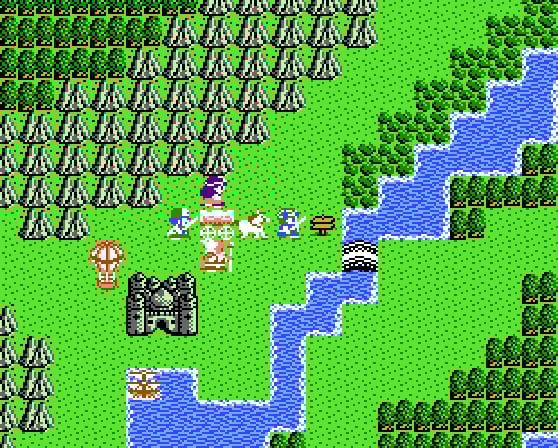
Before entering the video game industry through Enix, Yuji Horii was a freelance writer for newspapers, comics and magazines, including Weekly Shōnen Jump, and after the success following Love Match Tennis, Horii would continue in the video game industry to help create the murder mystery visual novel game The Portopia Serial Murder (1983) for Japanese console the NEC PC-6001. That game was not only well-received but it would inspire future video game creators such as Hideo Kojima, who partly based the Metal Gear series on that game, as well as The Legend of Zelda producer Eiji Aonuma.

After that success, Enix proposed Yuji Horii create a role-playing game. Horii accepted, being a big fan of Apple PC RPGs like Wizardry and Ultima. But Horii’s goal with Dragon Quest was to move away from the sensibilities of hardcore PC gamers and create something more widely appealing and user-friendly towards people who might be more familiar with Super Mario Bros. than Dungeons & Dragons. With Dragon Ball artist Akira Toriyama and composer Koichi Sugayama onboard, the RPG Dragon Quest was developed by Chunsoft and released on the Famicom in 1986, and it would go on to become a critical and commercial hit for Enix that would turn into one of the most influential RPGs in video game history, spawning countless sequels and spin-offs through the years, including the Dragon Quest Monsters series developed by Tose.

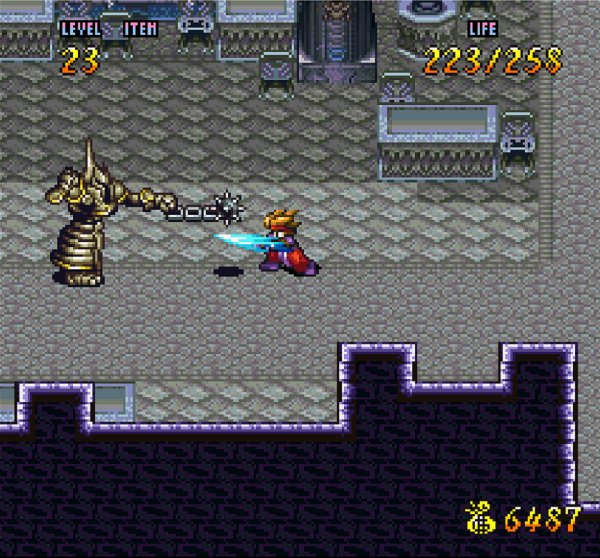


In addition to the Dragon Quest series, Enix would have a lot of success on the Super NES with games like ActRaiser (1990), Soul Blazer (1992), Illusion of Gaia (1993) and Terranigma (1995), which were all developed by Quintet. Not to mention Ogre Battle: The March of the Black Queen (1993) developed by Quest, Yuji Horii’s party game Itadaki Street, Almanac’s life sim game Wonder Project J (1994) released exclusively in Japan for the Super Famicom, Valkyrie Profile (1999) developed by tri-Ace for the PlayStation and the Star Ocean series which began in 1996 as a Super Famicom game and was also developed by tri-Ace.

Square began as the software subsidiary of an electric power company called Den-Yu-Sha in 1983, originally run by a man named Kuniichi Miyamoto before his son Masafumi Miyamoto shifted their focus towards software development when he inherited the company. Miyamoto predicted that video game development teams would grow in size from their usual one-man operations of the Atari era as computer technology and graphical power advanced, so he started hiring part-time programmers out of college to work at Square, including Yokohama National University students Hironobu Sakaguchi and Hiromichi Tanaka, who would both go on to direct and design the RPG Final Fantasy. But Square’s first published game was text adventure The Death Trap (1984), designed by Hironobu Sakaguchi for the NEC PC-8801, which led to a commercially successful sequel called Will: The Death Trap II (1985).
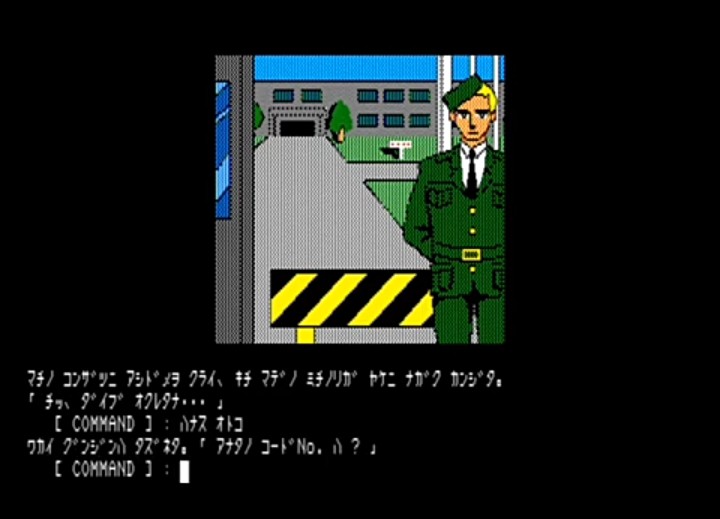
Most of Square’s early games were for PCs but they ended up making an exclusivity deal with Nintendo to make games for the Famicom instead because unlike PCs the hardware for the Famicom didn’t constantly change and require upgrades, so it was much easier to develop software for it and most consoles in general. Square initially ported Game Arts’ run and gun NEC game Thexder to the Famicom in 1985 as well as creating the scrolling shooter King’s Knight (1986), but Square struggled financially due to a string of commercially unsuccessful games for the Famicom Disk System, so Sakaguchi proposed an RPG to capitalize on the success Enix recently had with Dragon Quest. Sakaguchi vowed to leave the video game industry if this game was not successful, so it was literally his “final fantasy.” But when Final Fantasy came out in 1987, it would become a worldwide commercial success that not only turned Square’s profits around but initiated one of the most popular video game series in history. One that continued throughout Square’s lifetime with countless sequels and spin-offs that spanned the NES, Super NES, PlayStation and beyond, including the Final Fantasy Tactics series and a series of games starring the bird-like Chocobo.
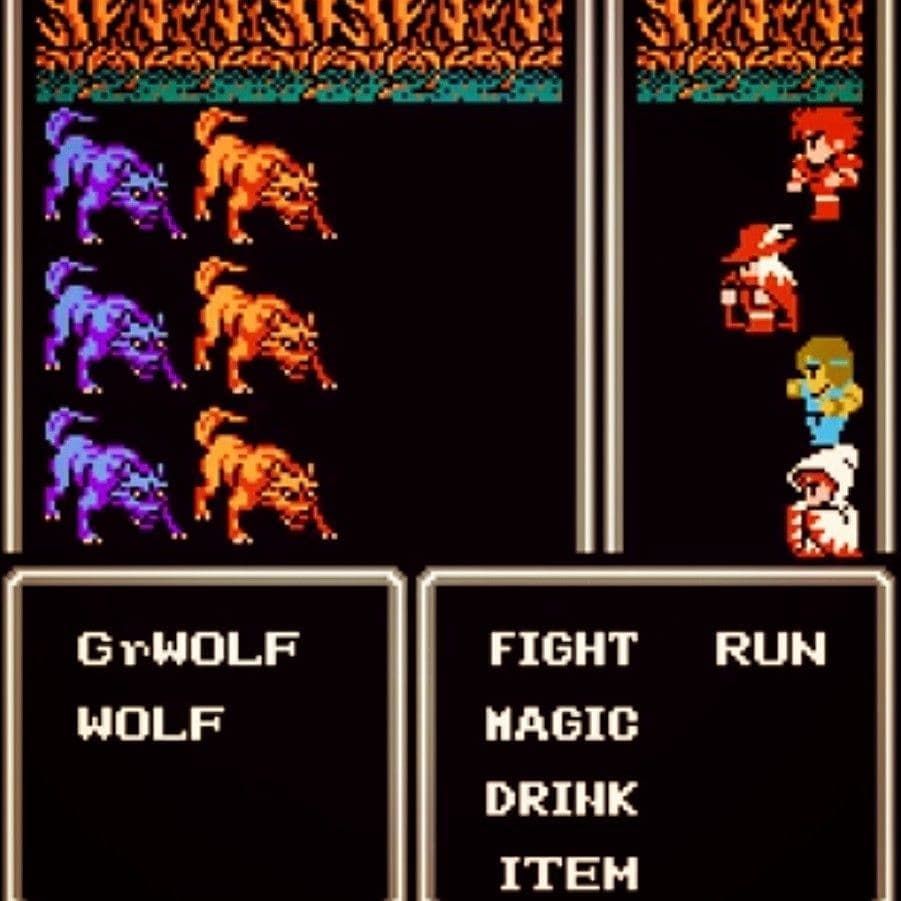
Square would also have success beyond Final Fantasy with the racing game Rad Racer (1987) for the NES, the SaGa series which began on the Game Boy with Makai Toushi SaGa (1989), the Mana series which also began on Game Boy with the spin-off Final Fantasy Adventure (1991) and featured real-time combat instead of turn-based combat, Takashi Tokita’s multi-story RPG Live a Live (1994) for the Super Famicom, the time travel-themed RPG Chrono Trigger (1995) for the Super NES which was a collaboration between Dragon Quest creator Yuji Horii and Final Fantasy creator Hironobu Sakaguchi and would become a classic in its own right, plus several games for the PlayStation including the scrolling shooter Einhänder (1997) and the RPGs Xenogears (1998), Parasite Eve (1998) and Chrono Cross (1999). Plus Square would team up with Nintendo to develop Super Mario RPG: Legend of the Seven Stars (1996) for the Super NES and team up with Disney to develop Kingdom Hearts (2002) for the PlayStation 2.


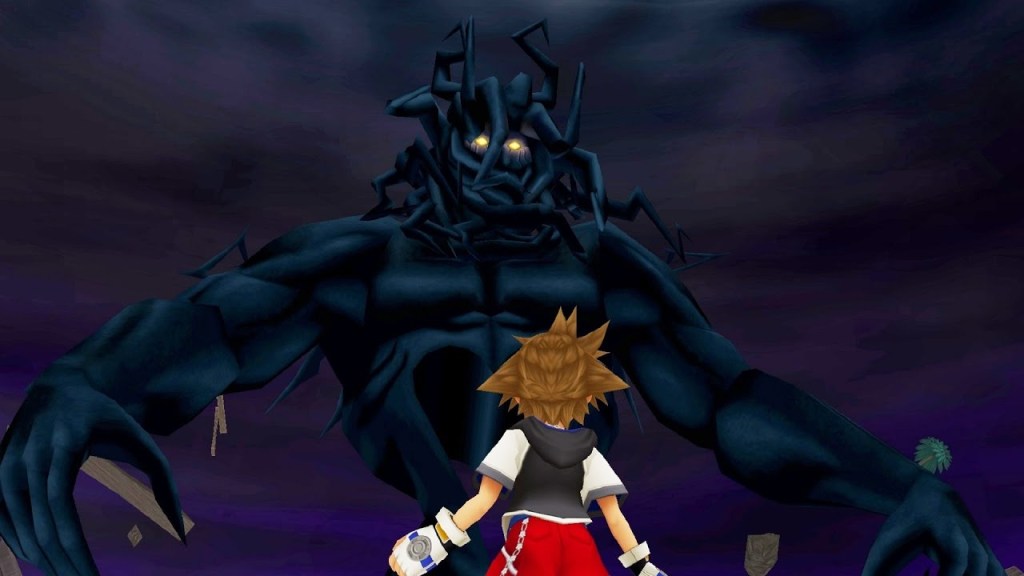
Square and Enix planned a potential merger as early as 2000 as a way of decreasing development costs and increasing profits from the added success of each other’s franchises. Although, despite the huge success of certain video games like Final Fantasy VII, Square was struggling financially a bit in the 2000s, especially after they lost a lot of money on their commercially unsuccessful animated film Final Fantasy: The Spirits Within (2001). But the success of the PS2 game Final Fantasy X that same year as well as Kingdom Hearts the following year stabilized their finances and renewed Enix’s faith in the merger. So in 2002, Enix and Square officially announced the merger was on, becoming finalized in 2003. My guess is that it was pretty easy to work out the logic of the two companies coming together since Enix had previously been a publisher who always hired outside developers to make their games and Square had always had some of the best writers, directors, artists and programmers in the industry.
In the years since the merger, Square Enix has attempted to expand its success by experimenting with mobile games and buying other companies that specialized in genres besides RPGs like Space Invaders developer Taito, the British developer Eidos Interactive (Tomb Raider, Deus Ex) and the American developer Crystal Dynamics. But Square Enix soars highest when they focus on making great RPGs. The company would continue to have success with all their most popular pre-merger series, especially the Dragon Quest, Final Fantasy and Kingdom Hearts series.
 Entertainment Junkie Blog