

Some of my favorite films of all time hail from Japan. Their films are so unique compared to the films of other countries, and based on the creativity and bold artistic choices I’ve seen come out of Japan, their film industry is practically in a league of its own. So I thought it would be interesting to explore the origins of the Japanese film industry and shine a spotlight on the brilliant films that put Japan on the map in the world of entertainment.
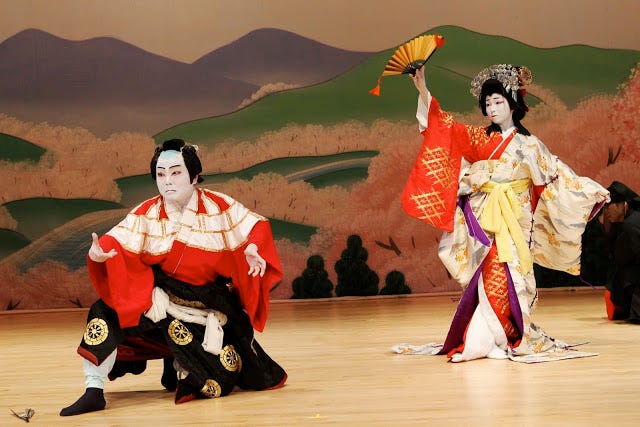
Before film was introduced to the world, people got their entertainment from the theater by watching plays, and in Japan it was no different, with the two most popular types of theater being Bunraku, a traditional form of Japanese puppet theatre originating from 17th century Osaka, and Kabuki, a traditional form of Japanese dance theatre featuring elaborate costumes and make-up that was believed to have originated in Kyoto in the early Edo Period (1603-1867), a culturally prolific period of Japanese history that not only popularized Kabuki but historically significant things like haiku poetry and the female entertainers known as geisha.
Thomas Edison and William Dickson’s Kinetoscope first came to Japanese shores in the 1890s, and in 1896 a man named Shinji Takahashi demonstrated the device for His Imperial Highness Prince Komatsu in his hotel bedroom, and after the newspapers reported that story, soon the whole country became fascinated by these peep-show machines, but after the Vitascope film projector came to Osaka in 1897, that was when the seeds of the Japanese film industry really began to sow in a big way.
Unlike in America and France where the film industry started out as a poor man’s hobby that had to earn respectability, Japan respected the art of cinema from the first frame. But in Japan, cinema was clearly high-priced, high-class entertainment with a few differences in its presentation compared to the films of other countries thanks largely to the influences of Bunraku and Kabuki. In early Japanese movie theaters, a commentator known as the Benshi would state the action on screen and explain the film to the audience, which made the self-contained continuity within the film itself less important and not as necessary in those days. But back then the advertisements for Japanese films often put the names of the Benshi in larger letters than the names of the films, so they were actually an important part of the experience. At least that’s how it started…
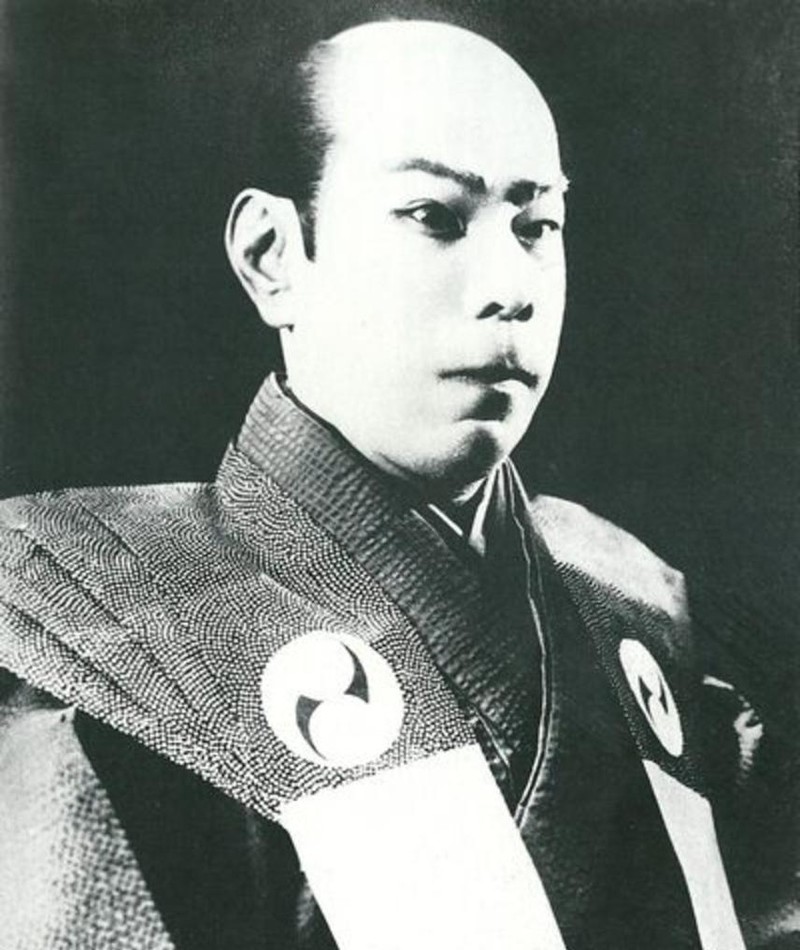
The first Japanese films were shot 8 frames per second rather than the American standard of 16 frames due to Japan’s cost-saving measures, and the result was visibly low-budget. The first Japanese film genre was the period drama, or Jidaigeki, which often featured samurai in the plot. And the first Japanese film star was a man named Matsunosuke Onoe. He was discovered in a Kabuki troupe by a theater owner named Shozo Makino who made one-reelers for local companies and he put Onoe on screen for the first time, which made him so popular that he and Makino would end up making almost 170 films together.
Of course because of the Benshi and the low budgets of these films, Japan was behind the times from a technical standpoint for a while, especially when D.W. Griffith was pushing the evolution of cinematic storytelling forward over in America at the same time. And that was when things began to change. Among Japanese film critics and intellectuals in the 1910s, there was a growing critique over Japan’s overreliance on Benshi and how Japanese films were too tied to traditional theatre because they felt it was holding the medium back from its true potential. In a precursor to the neorealist movement of Italy and the French New Wave, some of these critics would go on to become innovative filmmakers themselves and pave the way for the future of film by making the kinds of films they wanted to see, including Norimasa Kaeriyama, the leading spokesperson for what would become known as the Pure Film Movement and the director of The Glow of Life (1919), a film that was not commercially successful but was definitely artistically influential. And it led to other innovations, such as the proliferation of the Gendaigeki genre, which was different from Jidaigeki in that it was a type of film set in the present day, and Shomengeki, which was a genre of film that was geared towards realism.
Here are some other significant moments in the history of Japanese film following this movement:
▪️Eizō Tanaka was a stage actor who joined Nikkatsu (Japan’s oldest surviving film studio) in 1917 and began directing films in 1918. Tanaka would adapt the work of writers like Leo Tolstoy and Anton Chekhov for his 1918 films The Living Corpse and The Cherry Orchard, and he received praise for his cinematic techniques which signified the innovative spirit of the Pure Film Movement.

▪️Thomas Kurihara gained fame in America for his role as Takeo in the 1914 drama The Wrath of the Gods and he returned to his home country Japan to write and direct his own films in the early 1920s.
▪️The Mountains Grow Dark (1921) signified a big turning point because that was the first Japanese film in which women appeared on screen. With this came a more fresh and naturalistic approach to filming and acting, and with more women came more female movie stars, such as the popular Sumiko Kurishima, who helped usher in a feminized acting style which helped Japanese cinema become a more attractive form of entertainment worldwide.

▪️Henry Kotani was an actor and cinematographer in Hollywood before also becoming a director in Japan in the 1920s for a brief period, although in that period he would have the distinction of directing Gubijinsō (1921), which was the film debut of Sumiko Kurishima.
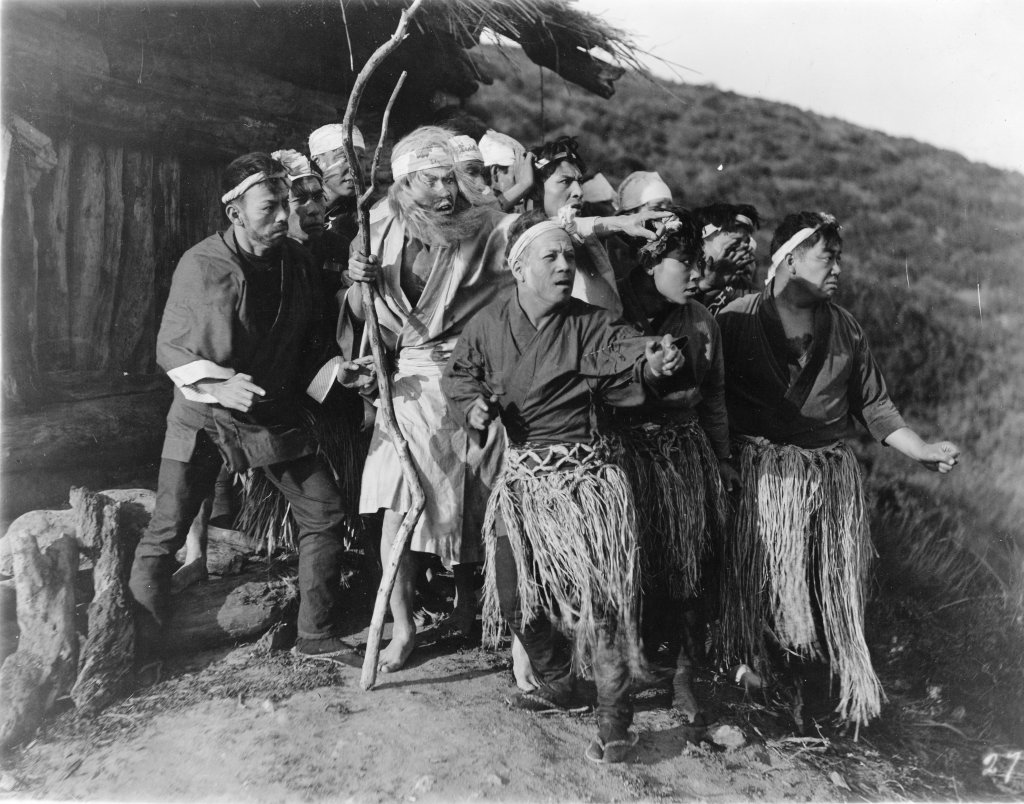
▪️Souls on the Road (1921) was to Japan what D.W. Griffith’s The Birth of a Nation was to America. It was directed by Minoru Murata and was actually filmed outside of a studio in natural environments, which is not what was typically done. The moody and tragic drama resonated with Japanese audiences who always appreciated a good drama no matter how tragic the story was. Another thing Japanese audiences appreciated about that movie was how relatable the lower middle-class characters were as opposed to the aristocratic beginnings of Japanese cinema. And not only were ordinary people finally depicted on screen, but they were depicted with honesty and realism. Japanese filmmakers of the Benshi era approached films from the point of view that Japan had traditionally never been a culture that placed much artistic value on realism, which is why things like Kabuki tended to be sensationalized depictions, but once young Japanese filmmakers got their hands on cameras and were literally able to capture reality, that was when Japanese films began depicting life as openly and honestly as possible. That kind of thing would normally lead to producer trouble in Hollywood, but the Japanese people loved seeing themselves on screen. Whereas Americans tend to idolize their screen heroes in wish fulfilment roles that show characters like Superman and Bugs Bunny going above and beyond, the Japanese tend to idolize mundane and ordinary heroes.

▪️Yutaka Abe worked in America as an extra in Hollywood films beginning in 1914 working for people like Thomas H. Ince and Cecil B. DeMille, later returning to Japan in 1925 to become a director on such films as the comedy The Woman Who Touched the Legs (1926) and several patriotic propaganda films before and during World War II, although much of his filmography is lost.
▪️Teinosuke Kinugasa’s 1926 silent masterpiece A Page of Madness was an early Japanese experimental film that was the result of an avant-garde group of artists Kinugasa was a part of who tried to push the boundaries of what was allowed on film by extending beyond naturalism. Even Kinugasa’s 1928 tragedy Crossroads was notably influenced by the expressionism movement of Germany, in particular the work of Fritz Lang.

▪️Japanese films gained new levels of popularity in the mid-1920s thanks in large part to movie stars and highly regarded silent film directors like Kenji Mizoguchi, Daisuke Itō and Masahiro Makino who were responsible for a number of critically acclaimed samurai films like A Diary of Chuji’s Travels (1927) and Roningai (1928).
▪️Shigeyoshi Suzuki’s What Made Her Do It? (1930) was the top-grossing Japanese film of the silent era, telling a melodramatic but controversial story of an orphaned schoolgirl who hops from place to place and escapes one hellish situation after another, until she’s finally pushed to her limit by the end of the movie.

By 1931, Japanese cinema reached a maturity stage that put it on the level of any other country’s film industry in terms of narrative sophistication and technical innovation. If not for Japan’s tendency to shun new things and embrace what it already knows, in this case the stage and the Benshi, Japan’s film industry might have grown faster.
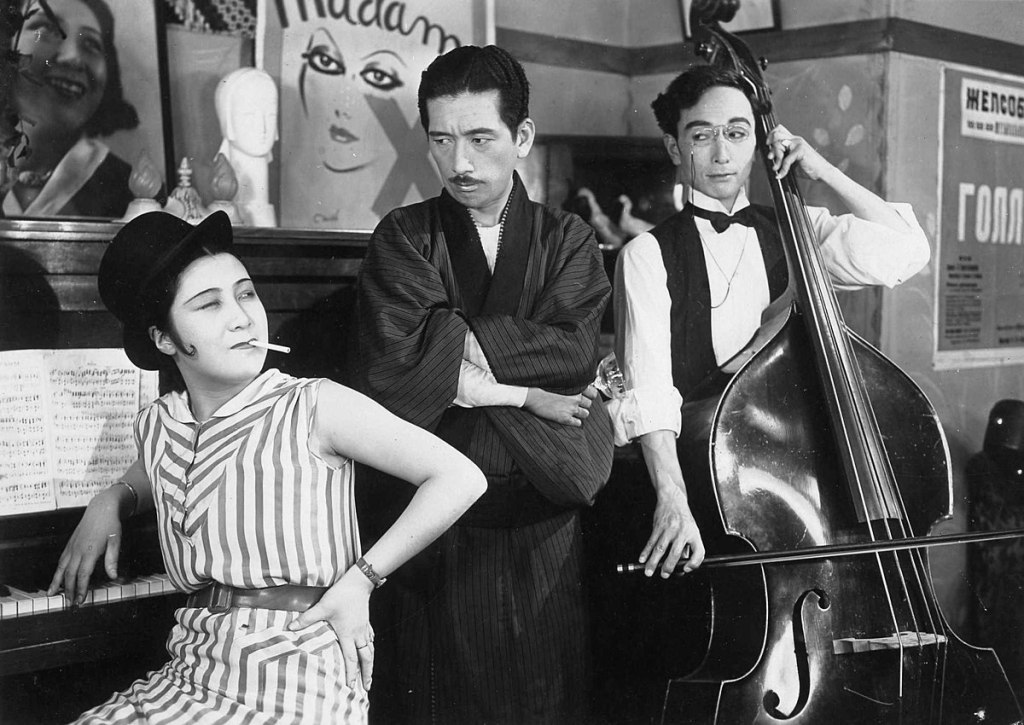
In the 1930s, the big new innovation that rocked the film industry was sound, and although silent films were being produced in Japan well into the thirties, the transition from silent film to talkie went pretty smoothly in Japan thanks to the country’s familiarity with the voice of the Benshi. The first Japanese talkie was Heinosuke Gosho’s comedy The Neighbor’s Wife and Mine (1931), a film which somewhat ironically used sound minimally, but Gosho still understood how to use sound effectively in a way that was purely cinematic and intentionally different from traditional theatre.
The greatest period film director was probably Sadao Yamanaka, who directed one of the most important movies of its time Humanity and Paper Balloons (1937), a film which has been described as one of the greatest films of all time as well as a harsh critique of the social and political conditions of modern Japan as seen through the lens of feudal Japan. It would be Yamanaka’s last film before he was drafted and killed in battle during Japan’s war against China.

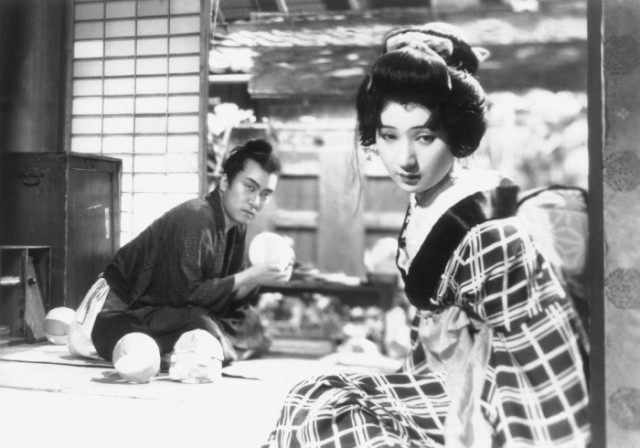
All these brilliant films would end up setting the standard for an era that was to become an all-time artistic high point in the history of Japanese cinema: The forties and the fifties. Japan really gained international respect and iconic status with the introduction of acclaimed filmmakers like Ishirō Honda and Eiji Tsuburaya (Godzilla, Ultraman), Masaki Kobayashi (The Human Condition trilogy), Akira Kurosawa (Rashomon, Seven Samurai), Kenji Mizoguchi (Ugetsu, Sansho the Bailiff) and Yasujirō Ozu (Late Spring, Tokyo Story), with some other acclaimed Japanese films following the release of Humanity and Paper Balloons including Earth (1939, Tomu Uchida), Sanshiro Sugata (1943, Akira Kurosawa), Utamaro and His Five Women (1946, Kenji Mizoguchi), Drunken Angel (1948, Akira Kurosawa), Stray Dog (1949, Akira Kurosawa), Ikiru (1952, Akira Kurosawa), Floating (1955, Mikio Naruse), The Harp of Burma (1956, Ken Ichikawa) and The Key (1959, Ken Ichikawa).
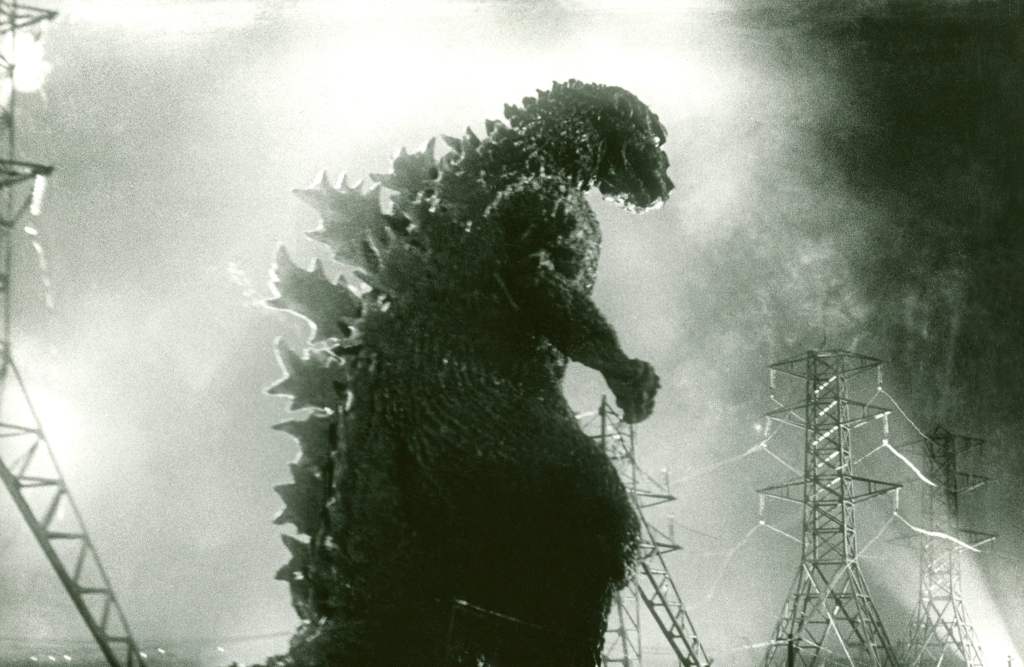


After this period, which many consider a golden age, came a Japanese New Wave that lasted from the late 1950s to the 1970s, made up of filmmakers who rejected the conventions of classical Japanese cinema in favor of more challenging work that dealt with bold subject matter like sex, violence, radicalism, youth culture, discrimination and queerness as well as the aftermath of World War II, something Japanese audiences were still reeling from. And this was all pulled off with unorthodox approaches to writing, editing and storytelling with some examples of New Wave films including Cruel Story of Youth (1960), Night and Fog in Japan (1960), The Insect Woman (1963), Onibaba (1964) and Woman in the Dunes (1964).


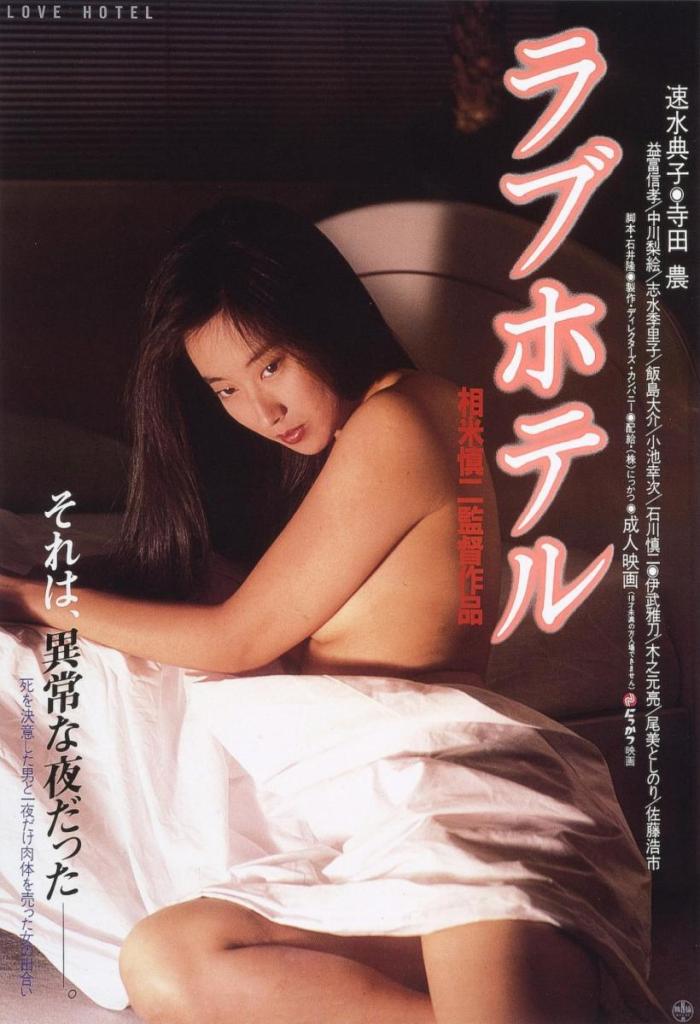

The growing popularity of animation in the 1970s gave Japanese cinema a whole new dimension by the end of the century thanks to highly creative films like Nausicaä of the Valley of the Wind (1984, Hayao Miyazaki), Angel’s Egg (1985, Mamoru Oshii), Akira (1988, Katsuhiro Otomo), Ghost in the Shell (1995, Mamoru Oshii) and Perfect Blue (1997, Satoshi Kon), but there were still plenty of live-action films worth watching too like Tampopo (1985, Juzo Itami), Love Hotel (1985, Shinji Sōmai) and Cure (1997, Kiyoshi Kurosawa). And Japan’s filmmakers excel at many different genres in addition to period films, dramas and comedies. Including horror, action, ninja, Yakuza, science fiction and its many subgenres from cyberpunk (futuristic dystopia) to kaiju (monster) to mecha (robot, usually anime) to tokusatsu (special effects).
And the nineties and 2000s are seen by some as a second golden age due to Japan’s growing worldwide popularity in this period, not only among film fans but among readers, TV viewers, gamers and people who are just inspired by Japanese culture in general when it comes to their design and fashion choices. All of this in addition to the outstanding quality of many Japanese films and the talents of their artists, writers and filmmakers. Maybe there’s a reason why Japan has won the Academy Award for Best International Feature Film more than any other country.
 Entertainment Junkie Blog