

I play a lot of video games and many modern games often tell stories with an emotional core, but if there’s one thing I do more than play games it’s watch movies, and there are very few games that have given me the emotional satisfaction that I get from watching a good two-hour story unfold on the big screen. Metal Gear Solid for the PlayStation is one of those games, and it kicked off a series of games that felt closer to movies than video games have ever gotten. I think they are easily some of the greatest games ever made, and I’m not even a big fan of shooters! So coming from me this is a huge compliment.
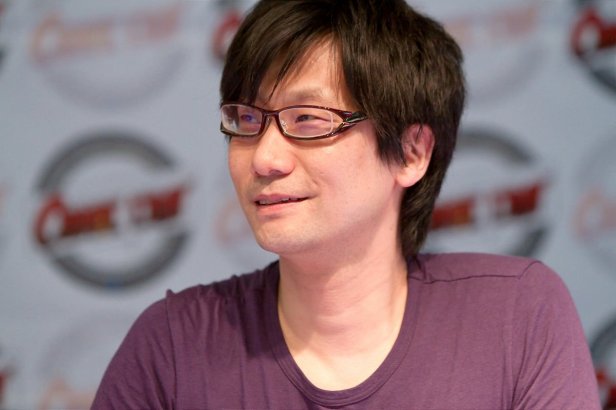

The origin of the series began with a man named Hideo Kojima. Today considered one of gaming’s greatest auteurs, in 1987 Kojima was the lead designer of a game called Metal Gear, which was released for the MSX2 computer in Japan. Kojima’s pet idea was a military game about avoiding confrontation rather than looking for it. Thus the stealth genre was born.
Special-ops soldier Solid Snake was the protagonist and as he infiltrated secure military bases, guards would patrol the areas in various patterns which had to be memorized to avoid detection as you moved past them.
The game was popular enough to be ported to several platforms and get a sequel, but it was the release of Metal Gear Solid for the PlayStation a decade later that would often be called Kojima’s greatest achievement.

An important milestone in video game history, Metal Gear Solid was cinematic from the start. Those opening credits at the beginning of the game made it feel like I was watching a blockbuster.
The stealth-themed gameplay from Metal Gear was retained, but the game was even more realistic and challenging due to the physics involved. Now guards could hear you when you made a noise, so you had to be extra careful when navigating the Alaskan military base on Shadow Moses Island. Plus the PlayStation’s CD-ROM capabilities allowed for full voice-acting and an orchestral soundtrack which made the presentation just as fun as the gameplay.
The game was notorious for having long cutscenes but the story was so interesting that I felt it made up for the lack of time spent actually playing the game. It raised the bar for narration in video games with a very well-written morality tale about the use of genetics in the military-industrial complex (which the protagonist Snake may have a connection to).
A sequel called Metal Gear Solid 2: Sons of Liberty was released for the PlayStation 2 in 2001. This game told a story that explored themes like government censorship, and it also had some pretty brilliant twists, despite the fact that Solid Snake is absent throughout most of the game. The main character of this game is Raiden, who is actually a child soldier raised on virtual reality missions to emulate Snake. Kojima often delighted in meta-storytelling and this game definitely delivered.
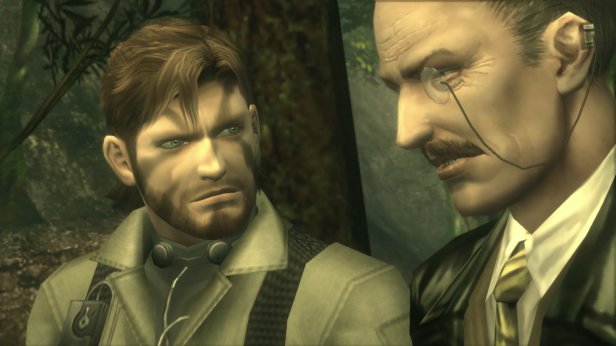
Metal Gear Solid 3: Snake Eater (2004) was not quite as out there as MGS2, and this time players got to control a character named Snake again, so it was much more popular with the fans. It also outshines both MGS and MGS2 (which is saying something). It is actually a prequel set in the early 1960s during the Cold War that is primarily set outdoors in the wild. It even introduced the concept of using camouflage to hide from your opponents.
This game had brought the Metal Gear series full circle with a twist that connects it to the very first game from 1987. The story has the usual anti-government themes, but this was perhaps the most emotional game in the series at the time, and it featured surprisingly complex motivations from the main characters, some of which were not as benevolent as one might expect.

Metal Gear Solid 4: Guns of the Patriots (2008) for the PlayStation 3, which shows an aging Snake on his last mission, reinvents the series again with a drama about personal identity, nostalgia and the tragedy of a wasted life. The cinematics in this game are longer than ever, but again I didn’t mind because the story was so entertaining (gamers had to face the fact that these were more interactive movies than games).
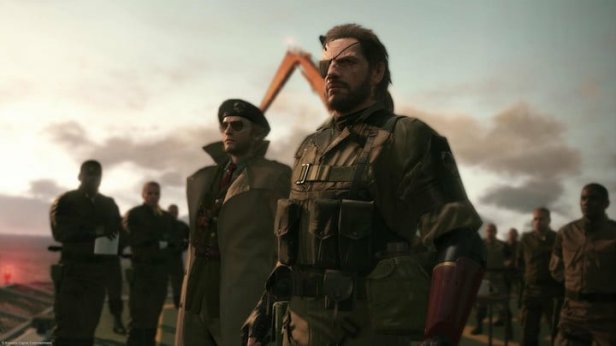
The Afghanistan-set Metal Gear Solid V: The Phantom Pain (2015) would soon follow, furthering one of the best themes in these games: that war creates more monsters than it destroys.
Other great games in the series:
- Metal Gear Solid: The Twin Snakes (2004), the GCN remake of the PS1 game Metal Gear Solid but with better graphics.
- Metal Gear Solid: Portable Ops (2006) for the PSP.
- Metal Gear Solid: Peace Walker (2010) for the PSP.
- Metal Gear Rising: Revengeance (2013), a spin-off set four years after the events of MGS4 released for the PS3, Xbox 360 and Microsoft Windows.
If the Metal Gear games were just straight military survival games I wouldn’t be giving them so much praise. The gameplay is fun, but my favorite aspects are the drama and, surprisingly, the humor. Kojima has an amusing habit of breaking the fourth wall in his games. The first time he did it was in the original Metal Gear when Snake’s commander Big Boss contacts him with the message:
This is Big Boss
Solid Snake!
Stop the operation
Switch off your MSX2
At once


Hideo Kojima’s personality can be felt throughout the series. The dialogue often reflects Kojima’s own interests, especially when Solid Snake communicates to his team mates back at HQ. Mainly they give Snake advice on how to progress through the game, but the conversations sometimes turn to subjects like the Cold War, the nature of military technology, and the movie Godzilla.
Kojima’s affinity for breaking the fourth wall has led to some creative Enemy encounters, such as when gunslinger Revolver Ocelot tells you there are no continues and that Snake must mash a certain controller button to survive (he’ll know if you’re cheating by using autofire), and Psycho Mantis reads your mind and shakes your controller (by reading your system’s memory and activating your controller’s rumble feature), the only way to defeat him being to unplug your controller and reinsert it in controller slot 2. Very bizarre but very creative! The boss fights in these games are some of the most fun and at times most terrifying in all of gaming.
The great thing about these games is that when you’re not playing them, you’re watching a brilliant movie unfold, and when you’re not watching a cutscene, you’re playing a brilliant game, and few games match the magnitude of this series because it contains an intriguing story, fun gameplay and an epic presentation. Three things that are rare in the world of gaming.

 Entertainment Junkie Blog